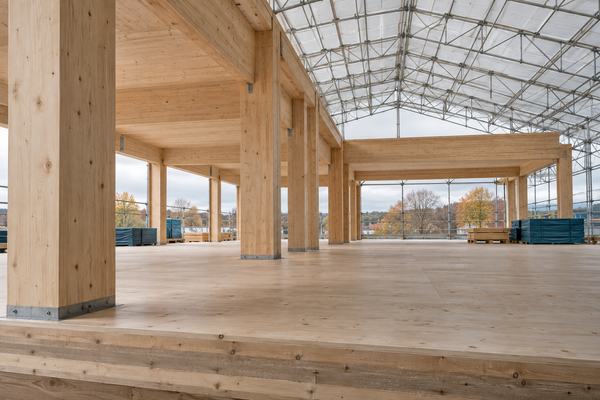
Mass timber construction is growing rapidly in the UK, with cross-laminated timber (CLT), glulam frames, and engineered timber systems now used in residential, commercial, and institutional buildings. Yet one of the most common sources of structural issues in timber buildings is not the timber itself; it is the connections.
Connections decide how a structure performs
Connections determine how loads transfer through the structure. Incorrect fastener installation, wrong spacing, or unsuitable hardware can reduce a connection's capacity significantly, and because connections are where loads concentrate, a weakness there undermines the whole load path. Eurocode 5 (BS EN 1995) sets strict rules for:
- Screw spacing
- Edge and end distances
- Installation angles
- Fastener capacities
The problem is timing. On many sites, hardware decisions are left until late, with contractors ordering connectors after the timber arrives. That leads to rushed installation choices, exactly the conditions in which spacing and edge-distance errors creep in.
The need for technical hardware support
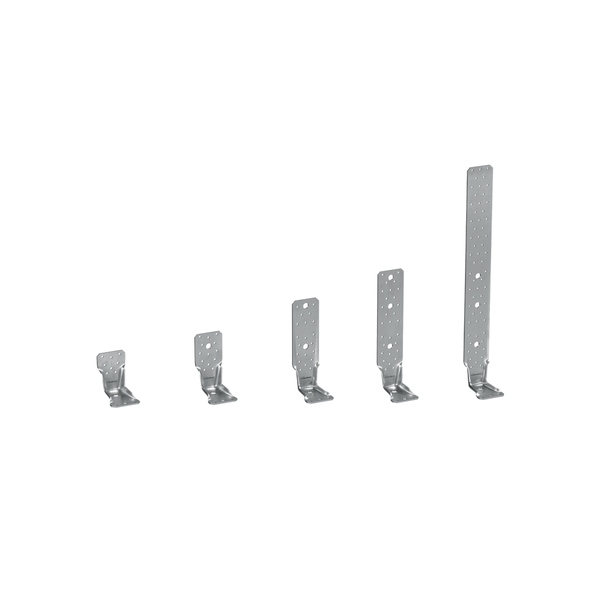
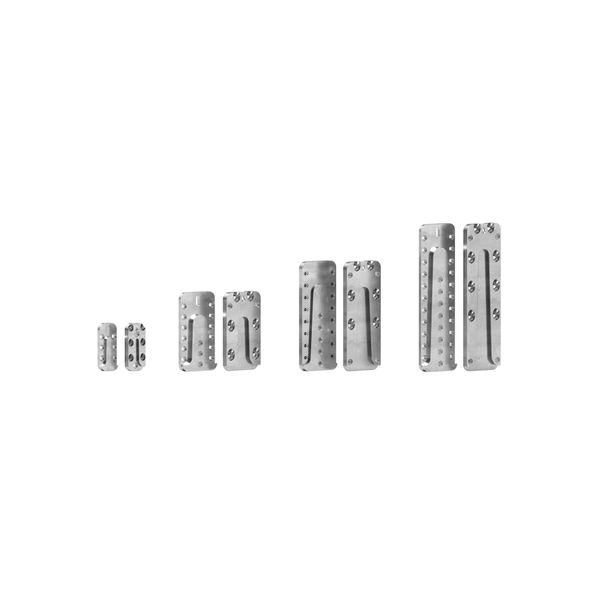
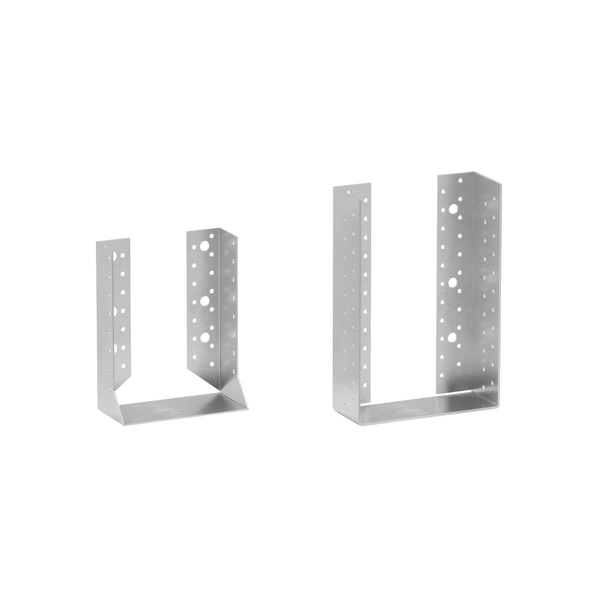
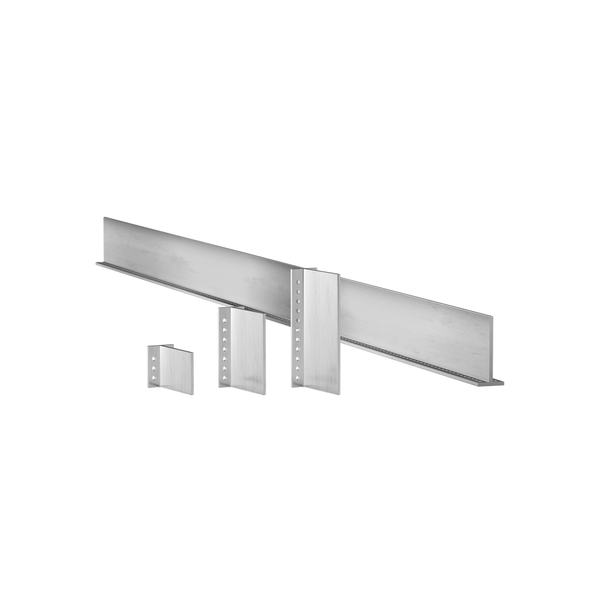
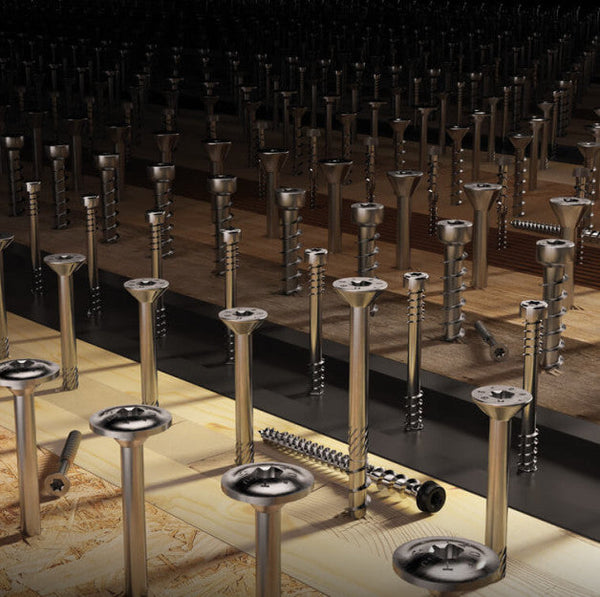
Timber structures rely heavily on specialised connection systems. Unlike concrete or steel, timber connections often involve angled structural screws, concealed steel connectors, and high-capacity hold-downs. Selecting the right hardware requires understanding both the structural design and the installation process, which is where a technical hardware partner becomes valuable.
The prevention principle: most connection failures are designed out, not fixed on site. Getting the hardware specified and quantified against the drawings before construction starts removes the rushed decisions that cause problems.
The role of TimbA Systems
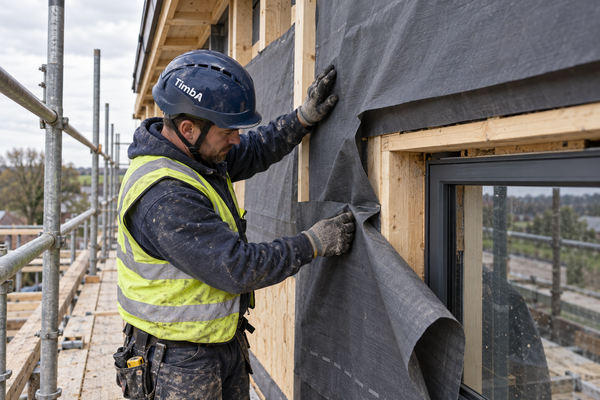
TimbA Systems operates as a UK hardware partner for Rothoblaas products. Rather than simply supplying connectors, the goal is to support timber contractors with connection hardware selection, quantity planning, and installation guidance, reducing installation mistakes and improving construction efficiency. You can explore the main ranges in our structural timber screws, plates and angle brackets, and post bases collections.
Supporting timber construction from design to site
By working with engineers and contractors early, hardware requirements can be defined before construction begins. Typical support includes connection hardware schedules, recommended screw types and lengths, and installation details for contractors. Because TimbA Systems is both an authorised Rothoblaas distributor and a structural engineering consultancy, that advice is grounded in how the connections actually perform under load.
Make connections the priority, early
Timber buildings depend on well-designed connections, and the best time to get them right is before anything reaches site. If you are planning a CLT, glulam, or timber-frame project, share your drawings with TimbA Systems and we will help you specify, quantify, and schedule the hardware so those connections perform exactly as intended.