Why Choosing the Right Timber Screw Matters
Using the wrong screw in a timber connection isn't just a cosmetic issue. It can affect structural integrity, long-term durability, and the finish of your project. Whether you're a joiner, contractor, or self-builder, understanding the difference between screw types saves time, money, and rework.
Here's a practical guide to three of TimbA Systems' most popular timber screws: the TLL, SNK, and HTS-HT.
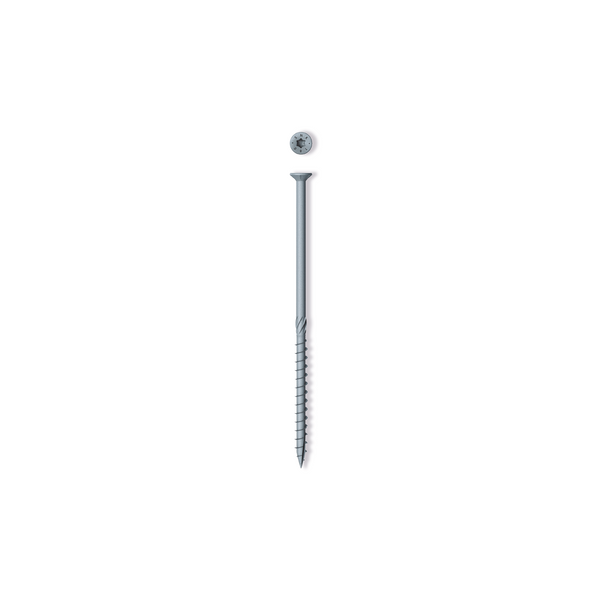
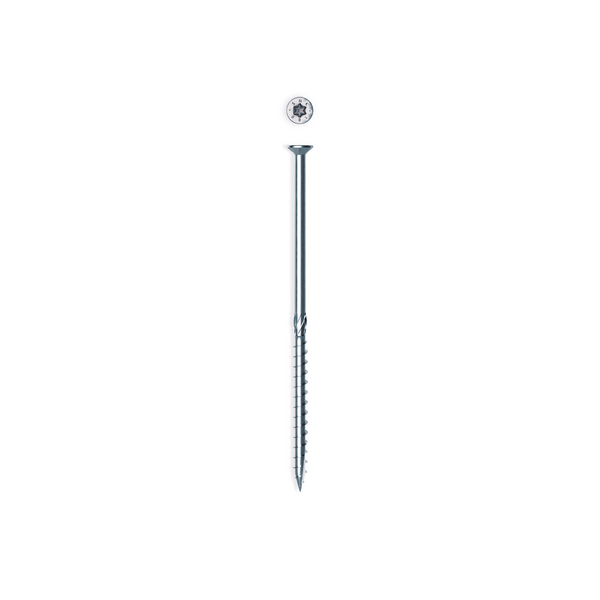
TLL · Flange-Head Timber Screw
Best for: Load-bearing timber connections, timber frame construction, structural fixings.
The TLL's wide flange head distributes load across a larger bearing surface, making it ideal for structural applications where pull-through resistance matters. It's a go-to for timber frame builds and heavy-duty connections where the fixing needs to hold under sustained load, including applications alongside timber joist hangers and other structural connectors. For garden room and outbuilding frames, see our guide on how to build a garden room.
Shop the TLL flange-head timber screw →
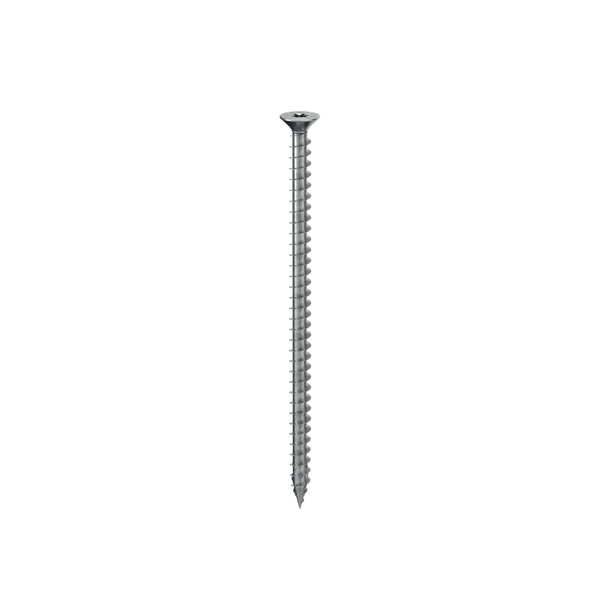
SNK · Countersunk Timber Screw
Best for: Visible joinery, decking, cladding, furniture, and any application where a flush finish is required.
The SNK sits flush with the timber surface once driven, leaving a clean, professional finish. It's the right choice when aesthetics matter: decking boards, hardwood cladding, cabinet making, and interior joinery where you don't want a protruding head. For a completely screw-free deck surface, also consider our guide on hidden decking fasteners.
Shop the SNK countersunk timber screw →
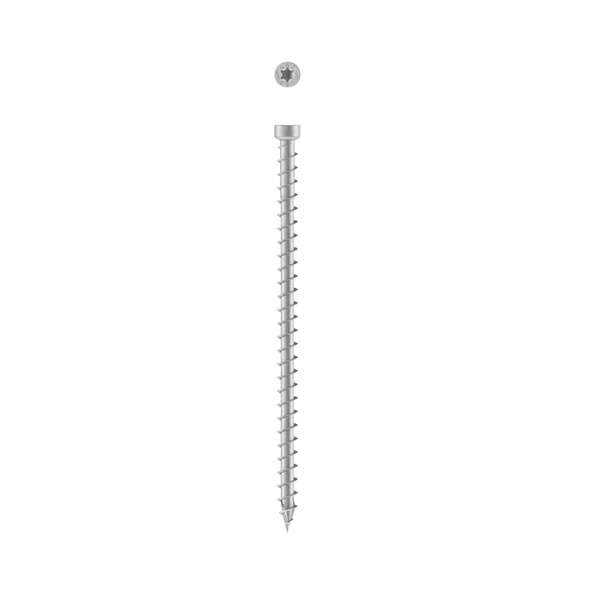
HTS-HT · Full Thread Screw for Woodwork
Best for: Dense hardwoods, high pull-out resistance applications, engineered timber.
The HTS-HT's full thread engagement along the entire shank maximises grip in dense or engineered timber where a partial-thread screw might not hold. It's particularly effective in hardwood joinery, glulam beams, and structural connections where pull-out strength is critical.
Shop the HTS-HT full thread screw →
Shop the full timber screw range →
Coating Guide: When to Upgrade
Standard screws work well in dry, internal applications. But for outdoor, exposed, or coastal environments, coating matters:
- C4 NanoCoat (TLL EVO / SNK EVO): For outdoor and exposed applications, decking, external cladding, garden structures. C4 coating provides high corrosion resistance in aggressive environments. See our guide on protecting timber cladding from water and UV for more on weatherproofing.
- Stainless Steel AISI304/AISI410: For coastal locations or where contact with treated timber or chemicals is likely. Stainless offers the highest corrosion resistance.
Getting Screw Spacing Right
Choosing the right screw type is only half the job. Correct spacing and edge distances are equally important for structural performance. Read our detailed guide on timber fastener spacing to ensure your fixings meet Eurocode 5 requirements.
Quick Reference: Which Screw for Which Job?
| Application | Recommended Screw | Coating |
|---|---|---|
| Timber frame / structural | TLL | Standard or C4 (external) |
| Decking boards | SNK or SNK EVO | C4 for outdoor |
| Hardwood joinery | HTS-HT | Standard or stainless |
| External cladding | SNK EVO | C4 NanoCoat |
| Coastal / treated timber | TLL or SNK (stainless) | AISI304 stainless |
Shop TimbA Systems Timber Screws
Browse our full range of timber screws, available in multiple lengths and coatings for every application.