Mass timber is changing how hospitality projects are designed and built. With faster on-site installation, lower total cost, lighter structures needing fewer foundations, strong investor appeal, and clear environmental benefits, mass timber resorts are a smart choice for modern development.
What is mass timber?
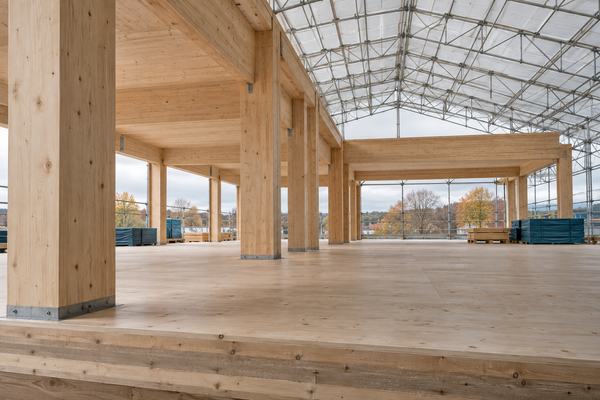
Mass timber is a family of engineered wood products such as cross-laminated timber (CLT), glue-laminated timber (GLT), nail-laminated timber (NLT), and laminated veneer lumber (LVL). These panels and beams are factory-made, precise, strong, and assembled on site like a kit. For resorts, that means cleaner sites, quicker builds, and the warm, natural spaces guests love.
Why mass timber resorts save cost
- Off-site precision reduces waste and rework
- Shorter build time cuts prelims, site overheads, and financing costs
- Fewer wet trades and simpler logistics lower labour spend
- Exposed timber can act as both structure and finished ceiling, saving materials
- Smaller cranes and less heavy plant reduce hire costs
- Lean fire and acoustic detailing with proven systems avoids over-specification
- Factory orders lock pricing early, reducing volatility
Faster installation and smoother programmes
- Prefabricated panels arrive numbered and ready to install
- Dry construction means fewer weather delays
- Repeatable room modules speed up floors and wings — ideal for resort blocks and lodges
- Early enclosure lets MEP and interior teams start sooner
- Quiet, clean sites improve neighbour and guest relations during phased upgrades
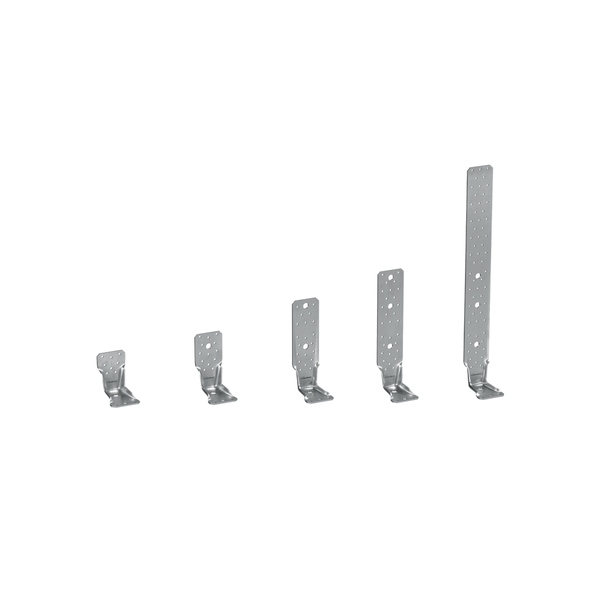
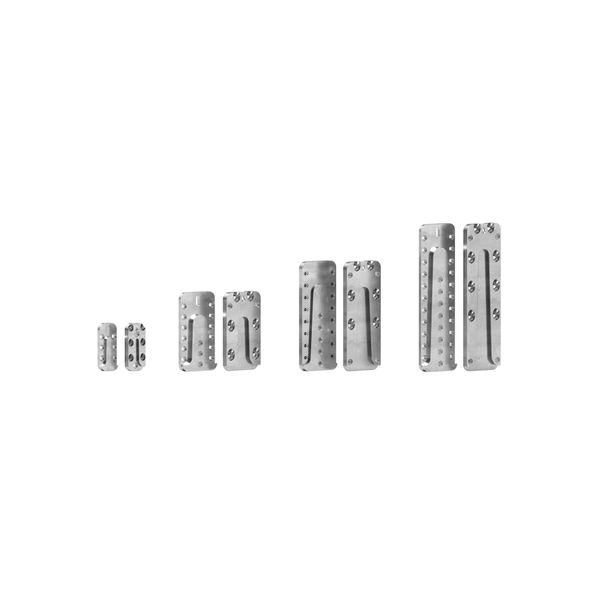
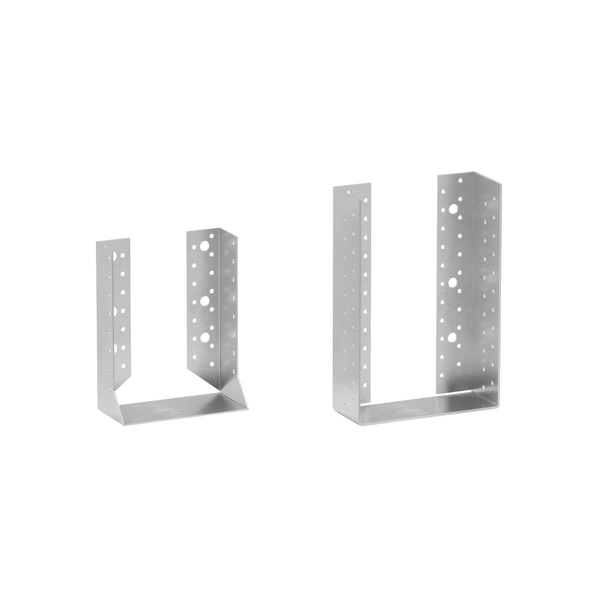
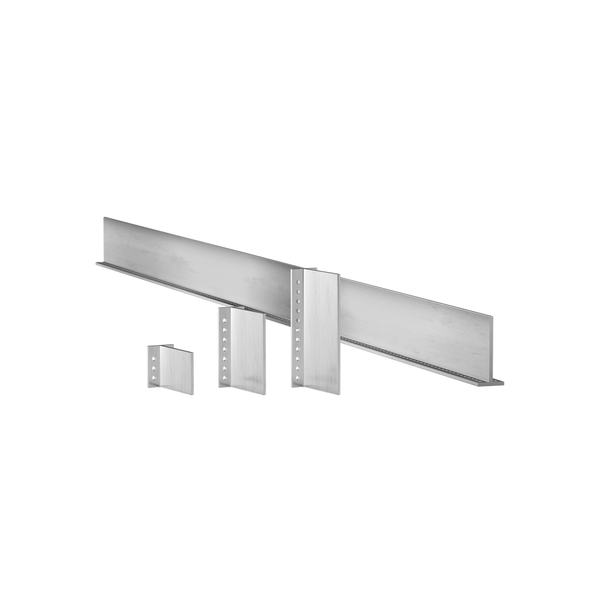
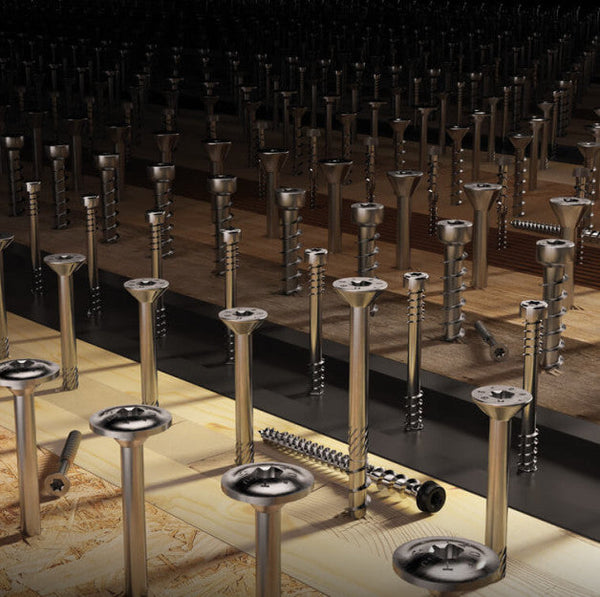
Repeatable modules depend on fast, reliable connections between panels. Engineered timber screws and plates and angle brackets are what make a kit-of-parts go together quickly and predictably on site.
Lighter structures, fewer foundations
- Mass timber is much lighter than concrete — often 20–30% of the dead load
- Smaller loads mean fewer piles, shallower pads, or thinner slabs
- Lower groundworks cost, less excavation, and reduced spoil cart-away
- Easier builds on poor soils, coastal sites, islands, and sensitive landscapes
- Slimmer foundations can speed approvals in areas with strict environmental controls
Better for investors
- Faster time to revenue: earlier opening dates improve IRR and NPV
- Capex discipline: off-site procurement reduces cost creep
- Brand premium: guests value natural materials and biophilic design, lifting ADR and occupancy
- Lower carbon: helps meet ESG targets and access green finance
- Future-proof asset: a strong market story for exit, refinancing, or REIT inclusion
Environmental benefits guests notice
- Wood stores carbon, and mass timber locks it into the building for decades
- Lower embodied carbon than steel or concrete
- Quieter construction, fewer deliveries, and less dust
- Renewable material from certified forests supports responsible forestry
- Warm, natural interiors support wellbeing — ideal for spa, retreat, and eco-resort brands
Safety, fire, and durability
The big questions about timber all have well-established answers:
- Fire: mass timber chars predictably, protecting its core; tested systems meet modern codes, with charring design covered by Eurocode 5 (BS EN 1995)
- Moisture: factory coatings, site sequencing, and temporary protection manage weather
- Acoustics: proven floor build-ups deliver hotel-grade sound separation
- Compliance: early engagement with building control and fire engineers streamlines approvals under the Building Regulations
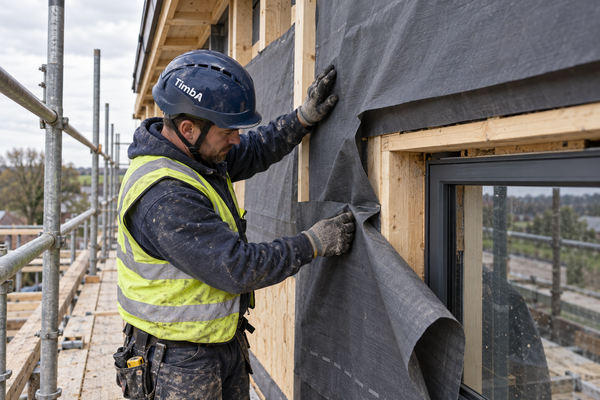
Detailing note: Hotel-grade acoustic separation and durable, airtight junctions rely on the right membranes, tapes, and sealants at every interface — the building-physics layer is as important to guest comfort as the structure itself.
For that layer, see our membranes, sealants, tapes and profiles, and soundproofing ranges.
Design flexibility for resort experiences
- Wide spans for lobbies, restaurants, and wellness spaces
- Modular room grids for villas, lodges, and hotel wings
- Hybrid options with concrete cores or steel where needed
- Rich finishes: exposed timber ceilings, beams, and feature walls
Use cases that shine in resorts
- Chalet and lodge clusters
- Spa and wellness pavilions
- Restaurant and event halls with long spans
- Guestroom blocks with repeatable layouts
- Elevated boardwalks and viewing platforms in sensitive habitats
Practical steps to get started
- Run an early-stage mass timber feasibility and carbon study
- Choose a design team experienced in timber and modular coordination
- Lock the structural grid and MEP penetrations early for factory production
- Engage suppliers early to secure production slots and price certainty
- Plan logistics for rural or island sites — lighter components help
Key metrics to track
- Programme reduction versus a concrete baseline
- Foundation volume and cost savings
- Embodied carbon per m² (A1–A5)
- Capex variance and contingencies
- Speed to revenue and IRR uplift
Talk to TimbA Systems about your resort project
Mass timber resorts offer a rare blend of cost savings, speed, investor value, lighter foundations, and environmental gains. For coastal, mountain, forest, and island destinations, it is a clear, modern path to building beautiful spaces guests love — faster and with a smaller footprint. As an authorised Rothoblaas UK distributor and structural engineering consultancy, TimbA Systems can help you assess feasibility, lock the structural strategy, and specify the connections and building-physics products that make a timber resort succeed. Share a brief or drawings and we will come back with tailored advice.