The UK construction industry is entering a decisive phase in the adoption of mass timber. What was once seen as a niche structural material is becoming a strategic solution for some of the industry's most pressing challenges: housing demand, carbon reduction, construction productivity, and supply chain resilience.
Policy momentum is unlocking adoption
Government policy is increasingly aligned with expanding timber construction. Net-zero targets, embodied carbon regulation, and support for modern methods of construction are creating an environment where low-carbon structural systems gain priority. Mass timber fits this framework directly, reducing reliance on high-emission materials while enabling faster, more efficient construction. The direction is set out in the government's Timber in Construction Roadmap. Government-backed research and industry collaboration are also tackling regulatory barriers, building the evidence base on fire performance, structural robustness, and durability that regulators, insurers, and developers need for confidence in large-scale timber projects.
Safety research is expanding technical confidence
One of the most important drivers behind mass timber's growth is the rapid expansion of fire and structural research. Full-scale fire testing, advanced modelling, and new design methodologies are giving engineers clearer guidance on how timber buildings behave under extreme conditions, with charring design grounded in Eurocode 5 (BS EN 1995). These studies are establishing verified design approaches for multi-storey buildings, hybrid systems, and complex assemblies, moving the industry beyond uncertainty toward predictable, engineered solutions. For designers, this means timber can now be considered alongside steel and concrete across a far wider range of applications.
Engineered timber is outperforming the market
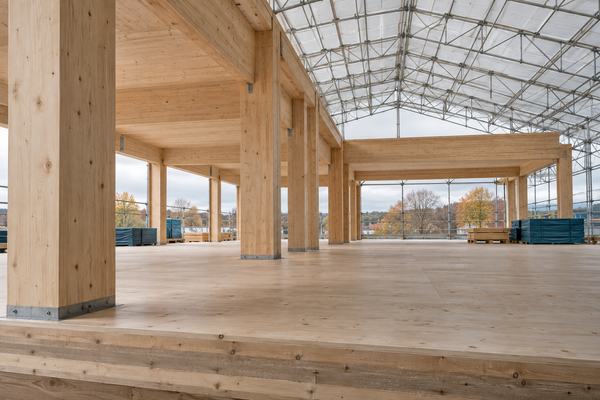
Engineered wood products such as CLT, glulam, and LVL are among the fastest-growing structural materials globally, driven by practical advantages:
- High structural strength relative to weight
- Precision manufacturing through offsite fabrication
- Faster construction programmes
- Reduced site labour requirements
- Lower embodied carbon
These matter especially in the UK, where labour shortages, rising material costs, and programme risk continue to challenge traditional methods. Mass timber also integrates naturally with digital design tools, prefabrication, and modular construction.
Developers are turning to timber for housing and climate targets
The UK faces two pressures at once: building hundreds of thousands of homes and drastically cutting construction's carbon footprint. Mass timber addresses both. Timber structures can significantly reduce embodied carbon compared with conventional systems, while prefabricated components allow faster assembly, shortening timelines and reducing disruption on urban sites.
The shift underway: for developers, the combination of sustainability and programme efficiency is increasingly compelling. Timber is moving from experimental pilot projects to commercially viable building systems.
Domestic supply chains are strengthening
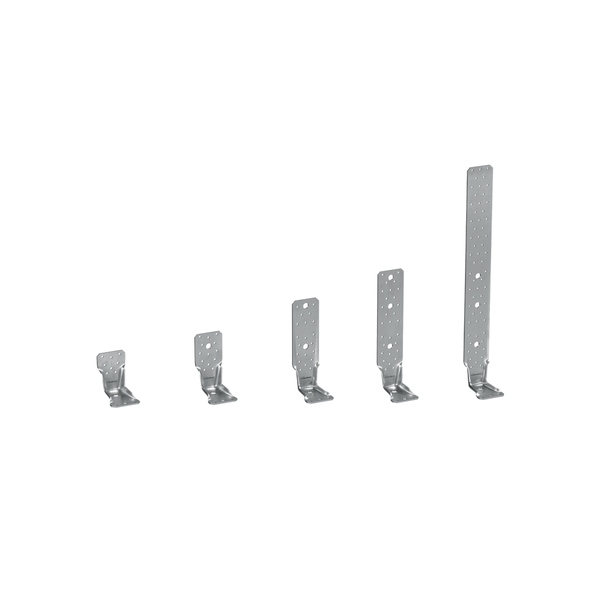
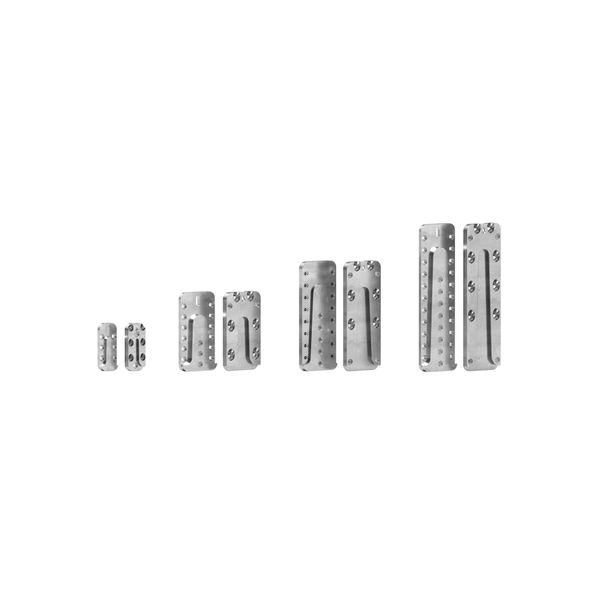
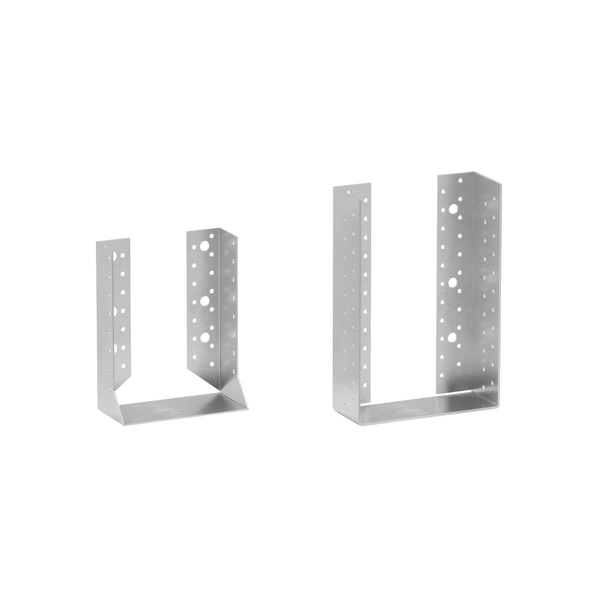
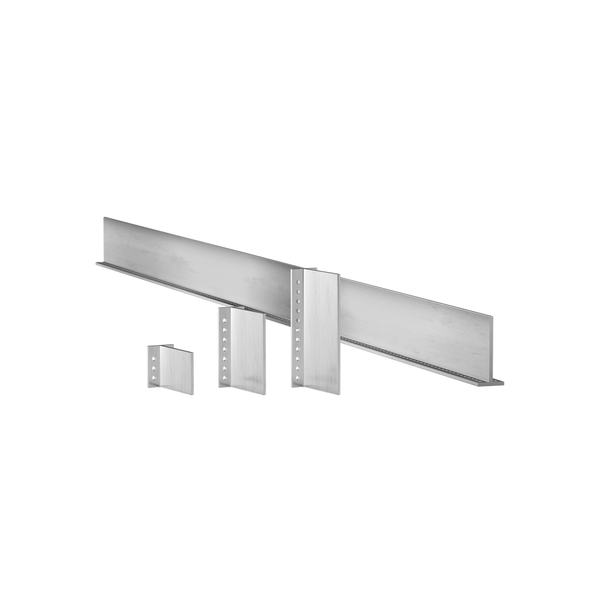
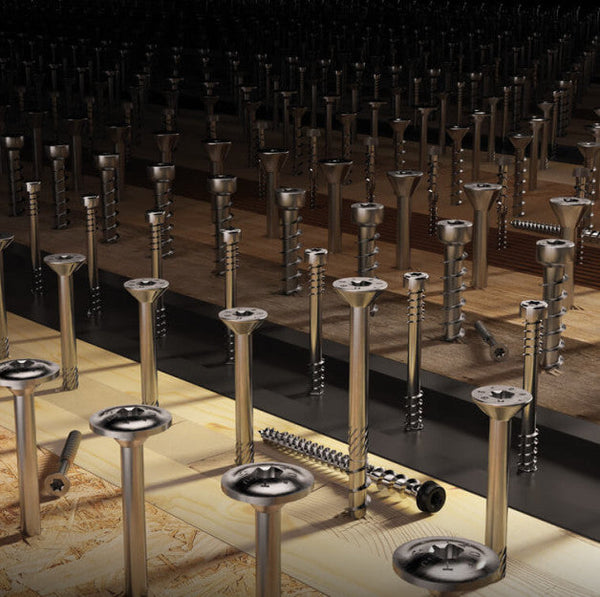
Another important shift is the gradual development of stronger UK timber supply chains. Investment in manufacturing capacity, engineering expertise, and specialist installation contractors is creating a more stable ecosystem. Hardware manufacturers, connection specialists, and structural engineering partners play a critical role here: advanced fastening systems and engineered connectors let timber buildings achieve the structural reliability expected from traditional materials. As this ecosystem expands, project delivery becomes more predictable and scalable. The connection ranges behind that reliability include structural timber screws and plates and angle brackets.
The next phase of UK construction
Mass timber is no longer an emerging curiosity; it is becoming a central component of how buildings will be designed, manufactured, and delivered in the decades ahead. Policy support, scientific research, engineered product innovation, and growing market demand are converging to accelerate adoption. The momentum building in 2026 signals a clear shift: timber is moving from alternative material to mainstream structural solution.
As an authorised Rothoblaas UK distributor and structural engineering consultancy, TimbA Systems is part of that ecosystem, supporting projects with the engineering input and connection hardware that turn timber's promise into built work. If you are planning a timber project, get in touch and we will help you make it perform.