Mass timber is rapidly becoming a defining material in the UK's transition to a greener, faster, more resilient construction industry. Backed by government policy, supported by evolving safety frameworks, and driven by strong demand for engineered wood products, this is a pivotal moment for the UK mass timber movement. Here are five leading trends shaping its future in Britain.
1. Government acceleration through the Timber in Construction Roadmap
One of the most influential forces behind mass timber adoption is the UK Government's Timber in Construction Roadmap. Ambitious new plans to increase the use of timber in construction were announced by the Environment Minister, introducing the roadmap to help get Britain building using timber while creating economic growth, rural jobs, and helping meet housebuilding targets sustainably. It supports the Plan for Change to build 1.5 million homes this Parliament and to drive a low-waste, circular construction sector. Timber's role as a renewable, low-carbon material sits at the centre of the UK's net-zero ambitions.
2. A continued focus on fire safety and performance-based regulation
Fire safety remains central as mass timber expands into larger, more complex projects. The UK applies a performance-based regulatory framework, allowing mass timber when supported by suitable fire protection, detailing, and testing, with charring design governed by Eurocode 5. The Government will work with industry, academia, and the Building Safety Regulator to research outstanding safety, durability, and competency questions, aiming to close the evidence and competence gaps around engineered mass timber over the next five years. Revisions to UK Building Regulations for 2026 focus on structural integrity, fire safety, and embodied carbon, with standards for engineered timber such as CLT and glulam in mid and high-rise buildings continuing to evolve.
3. Engineered wood products outperform the wider timber market
Even where overall timber imports have softened, engineered wood products, including CLT, glulam, and other mass timber systems, continue to grow. The shift reflects a clear move towards low-carbon materials capable of meeting modern performance and sustainability expectations, with engineered products holding up strongly across construction and manufacturing even as other timber categories weaken.
Why it matters: Larger buildings can store up to 400% more carbon when built from engineered timber products rather than concrete, and around 25% of the UK's greenhouse gas emissions come from the built environment. Engineered wood is where the carbon case is strongest.
4. Mass timber as a scalable route to low-carbon housing
The push toward net-zero construction, combined with rising build costs and a pressing housing shortage, has positioned mass timber as a leading solution for future homes. It enables faster construction, lower embodied carbon, and precision offsite manufacturing, factors increasingly valued by developers and policymakers. Timber can lower embodied carbon by 20–60% and acts as a carbon store, while the UK aims to increase woodland cover from 10% to 16.5% by 2050 to boost sustainable timber use.
5. Strengthening domestic production and supply chains
With around 80% of the UK's timber currently imported, strengthening the domestic supply chain has become a priority. Recent updates to the roadmap place greater emphasis on reuse and species diversification, alongside actions to create a low-waste circular construction sector and drive further investment into domestic timber and wood-processing supply chains. These efforts aim to boost resilience, support rural economies, and reduce the impacts of importing timber.
What it means for projects
The momentum behind mass timber marks a genuine transformation point for UK construction. Policy is unlocking opportunities, safety research is advancing capability, engineered wood products are outperforming the broader market, and developers are turning to timber to meet urgent housing and climate goals. As domestic supply chains strengthen, mass timber is set to become one of Britain's most important building materials in the years ahead.
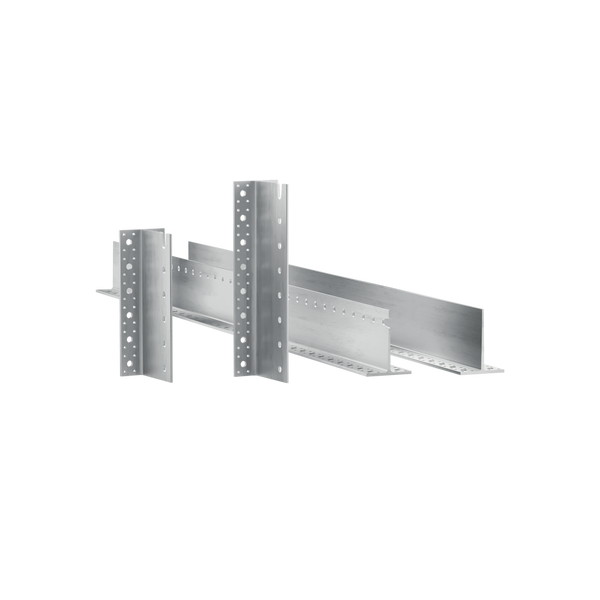
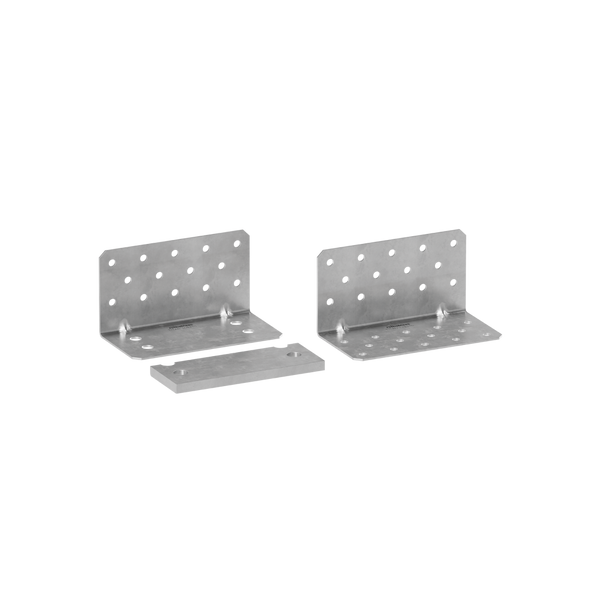
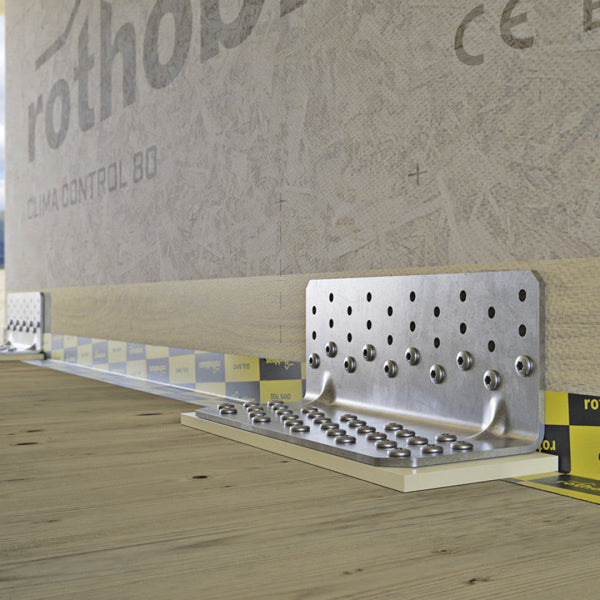
Delivering on that promise depends on getting the connections and building physics right. As an authorised Rothoblaas UK distributor and structural engineering consultancy, TimbA Systems supports timber projects with the engineering input, connectors, structural screws, and membranes that turn these trends into built work. Share your scheme and we will help you make timber work.