A breather membrane is one of the cheapest layers in a timber frame wall and one of the most important. Get it right and the structure stays dry, warm, and durable. Get it wrong, or fit it the wrong way round, and you can trap moisture in the very timber you are trying to protect. This guide covers what a breather membrane does, how to choose the right one, and how to install it so it performs as intended.
What a breather membrane actually does
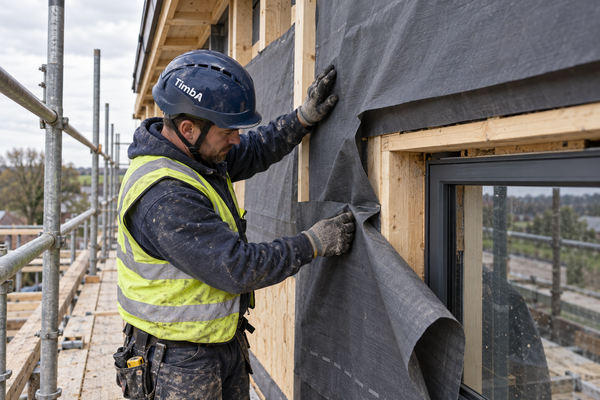
A breather membrane sits on the outer face of a timber frame wall, behind the cladding or outside the sheathing. It does two opposite-sounding jobs at once: it keeps liquid water out, stopping wind-driven rain reaching the timber and insulation, while letting water vapour escape from inside the construction. That combination is what keeps a timber wall dry. Moisture that gets into the structure can pass back out through the membrane rather than condensing and sitting against the timber.
The key property: vapour openness
The single most important number for a breather membrane is how easily vapour passes through it, expressed as its Sd value. A low Sd value means a highly vapour-open membrane that lets the wall dry quickly outward, which is what you want on the cold outer side of a timber frame. We cover the building physics behind this in our guide to Sd value in timber buildings; for specifying a membrane, the practical rule is simple: on the outer face, vapour-open is good.
The golden rule of wall build-up: open on the outside, closed on the inside. A vapour-open breather membrane outside lets the wall dry out, while a vapour-control layer on the warm inside limits how much moisture gets into the structure in the first place.
Choosing the right membrane
Beyond vapour openness, a few practical factors decide which membrane suits your build.
| Factor | What to look for |
|---|---|
| Vapour openness (Sd) | Low Sd for the outer face, so the wall dries outward |
| Water resistance | A high water-column rating, so wind-driven rain stays out |
| UV exposure | If left exposed during the build, choose a membrane rated for it, and note the exposure limit |
| Application | Wall versus roof versus open-jointed cladding all have suitable grades |
Installing it correctly
A breather membrane only works if it is continuous and the right way round. The common mistakes are all avoidable.
- Orientation. Fit the membrane the correct face out, following the printed side. A membrane installed back to front will not shed water as intended.
- Overlaps. Lap horizontal joints shingle-style, upper sheet over lower, so water runs down and over, never into a joint. Respect the manufacturer's minimum overlap.
- Sealing. Tape laps and any penetrations with a compatible tape so the layer is continuous. A breather membrane with open joints leaks at exactly those joints.
- Support and fixing. Fix it taut without overstretching, and make sure it is properly supported behind the cladding battens.
Watch the exposure limit: most membranes can be left exposed for only a set number of weeks before the cladding goes on. Leave it longer and UV degrades it. Plan the cladding to follow within that window.
Don't forget the airtightness layer
A breather membrane manages moisture on the outside, but it is only half the system. On the warm inside you need a vapour-control and airtightness layer, with taped joints, to limit moisture entering the wall and to stop warm air leaking out. The two layers work together: open outside to let the wall breathe, sealed inside to keep moisture and heat where they belong. Skipping the inner layer undermines the outer one.
Membranes and tapes from TimbA
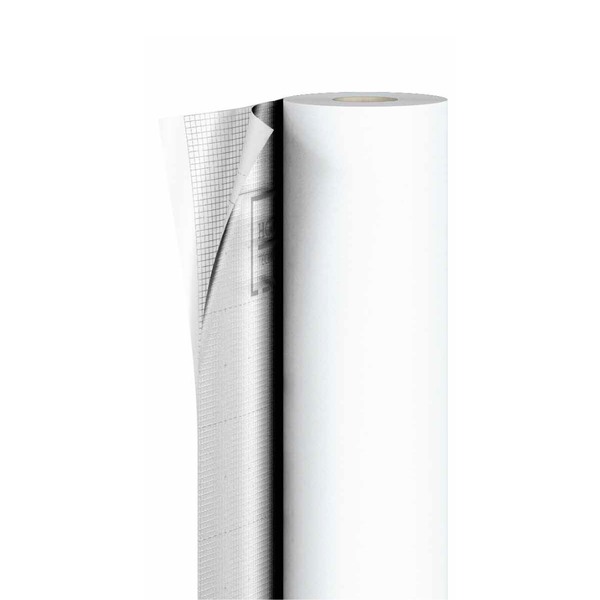
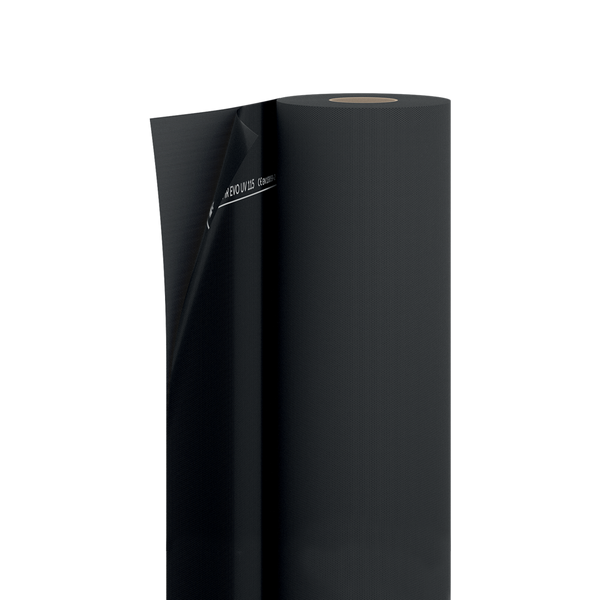
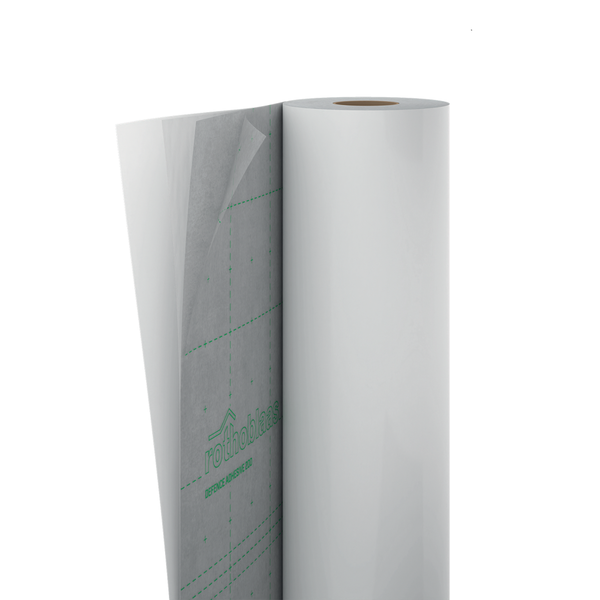
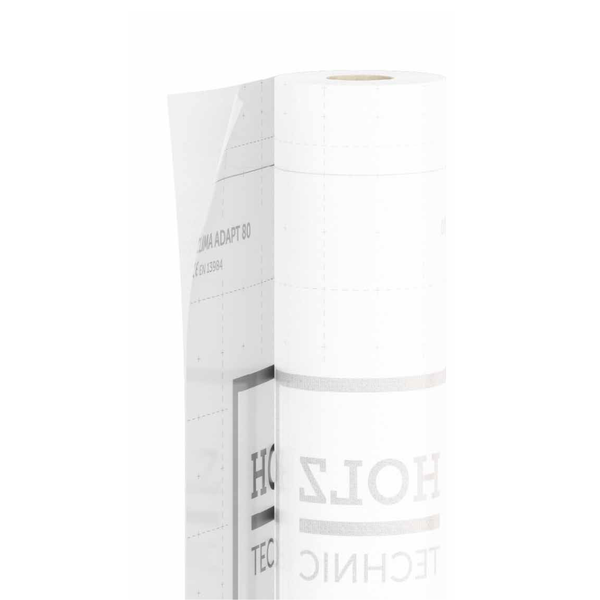
TimbA Systems supplies breather membranes and the tapes that complete the system for timber frame and CLT walls and roofs. Our membrane range covers vapour-open breather membranes for the outer face, with sealing and airtight tapes for laps, penetrations, and the internal airtightness layer. If you are unsure which grade suits your wall build-up or exposure, our team can advise on specification. For the physics behind vapour control, see our guide to Sd value.
Specify a vapour-open membrane, install it continuous and the right way round, and pair it with a sealed inner layer. That is what keeps a timber frame wall dry for its whole life.