So many screws, which one do you need?
Stand in front of a wall of screws and it is easy to feel lost: countersunk, pan head, full thread, partial thread, zinc, stainless, and a dozen sizes of each. The truth is that choosing a wood screw is simple once you understand a few basics, and getting it right makes a real difference to how your project turns out. This guide breaks down the main choices in plain English so you can buy the right screw with confidence rather than grabbing the nearest box and hoping.
Head types and what they do
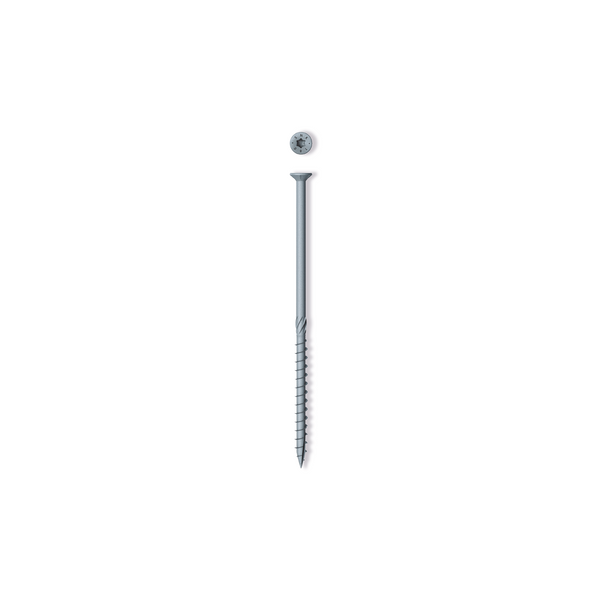
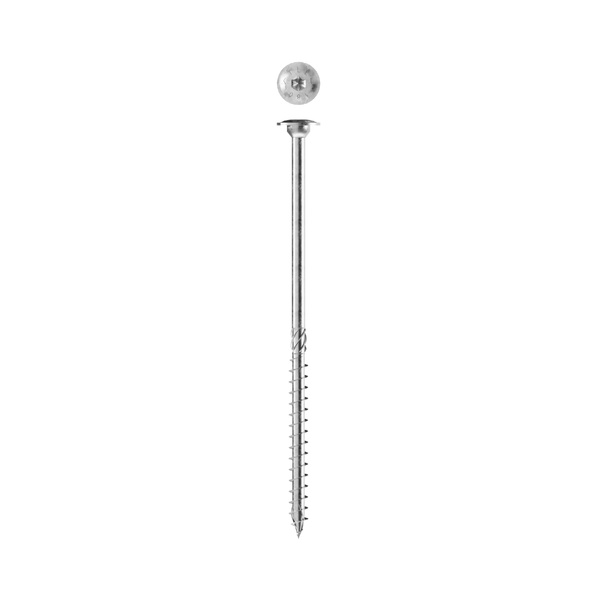
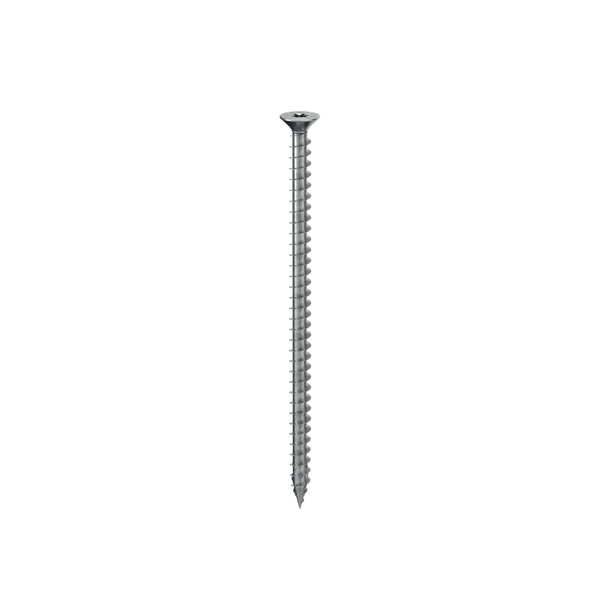
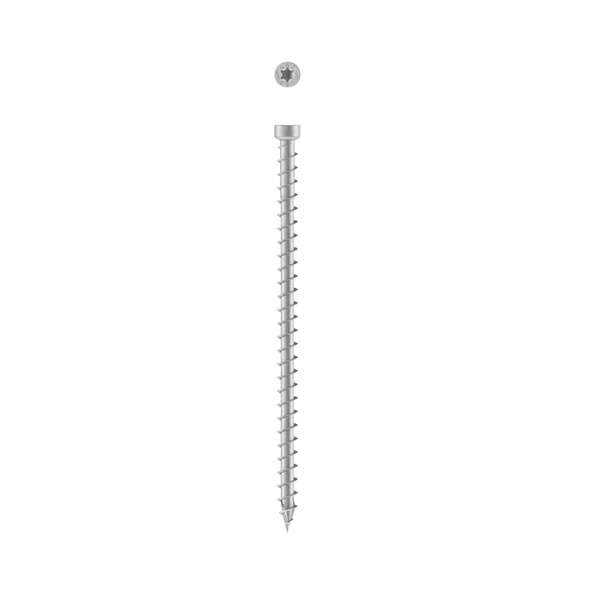
The head determines how the screw sits in the timber. Countersunk heads pull flush with the surface, ideal where you want a clean finish or nothing protruding, which covers most general woodwork and decking. Pan and round heads sit on top of the surface and are used for fixing metal plates, brackets, and fittings where the head needs something to bear against. For most timber-to-timber jobs, countersunk is what you want.
Full thread or partial thread?
This is the choice that trips most people up, and it is genuinely useful to understand. A partially threaded screw has a smooth shank near the head, which lets it pull two pieces of timber tightly together: perfect for clamping a board down onto a joist. A fully threaded screw grips along its entire length and resists pulling out, which makes it better for structural reinforcement and joints under tension. As a rule, partial thread to clamp, full thread to hold fast.
Quick guide: countersunk + partial thread for everyday clamping jobs; full thread for structural holding power; pan or round head for fixing brackets and metal plates.
Coatings: why they matter
The coating decides how long the screw survives. For indoor, dry work, a standard zinc-plated screw is fine. For anything outdoors, damp, or exposed, you need corrosion resistance: a high-quality coated screw, or stainless steel for the harshest conditions and for hardwoods that stain. Using an indoor screw outdoors is the classic mistake that leads to rust streaks and failed fixings within a year.
Getting the size right
Pick a diameter strong enough for the load but not so thick it splits the timber, and a length that gives a solid bite into the second piece, roughly twice the thickness of the piece you are fixing through. When in doubt, a slightly longer screw into solid timber beats one that barely grips.
Buy the right screw, not just the nearest one
The difference between a job that lasts and one that fails often comes down to the right screw, and that is where buying from a specialist pays off. We are timber fixing experts, so rather than a generic shelf of boxes, you get the right screw for the job and someone to ask if you are unsure. Browse our timber screws range, or get in touch and tell us what you are building.