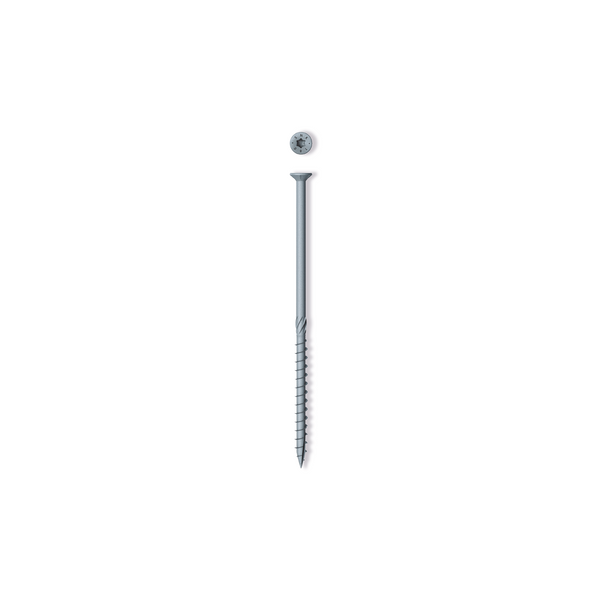
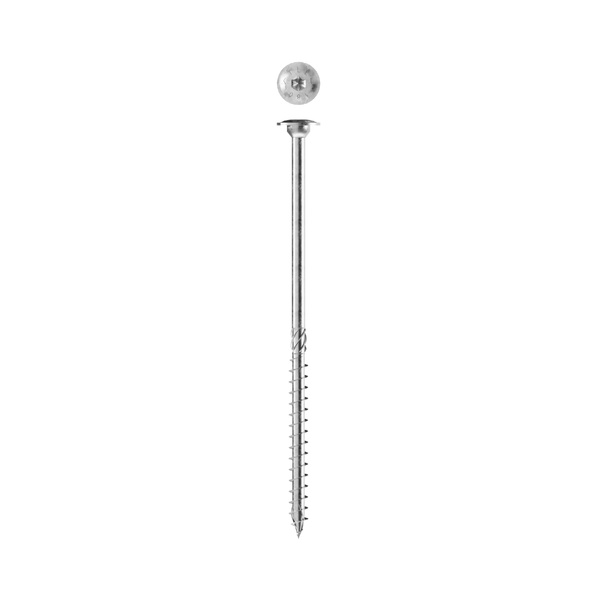
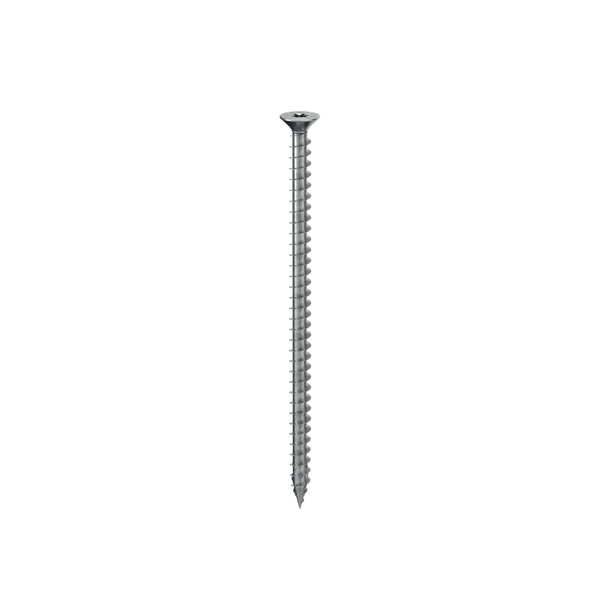
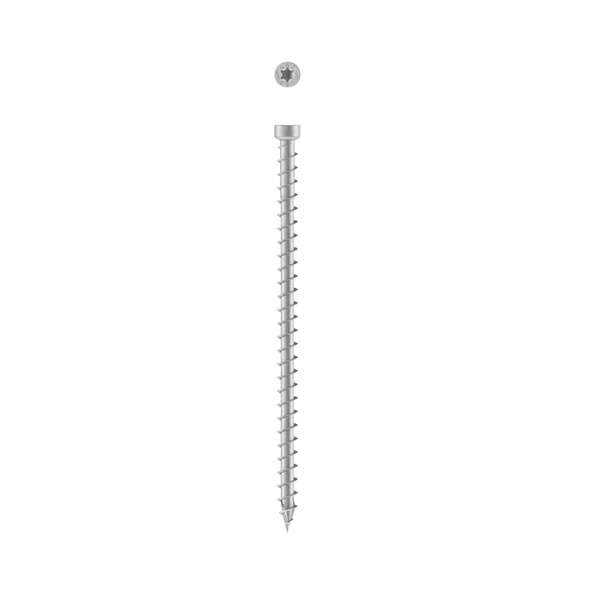
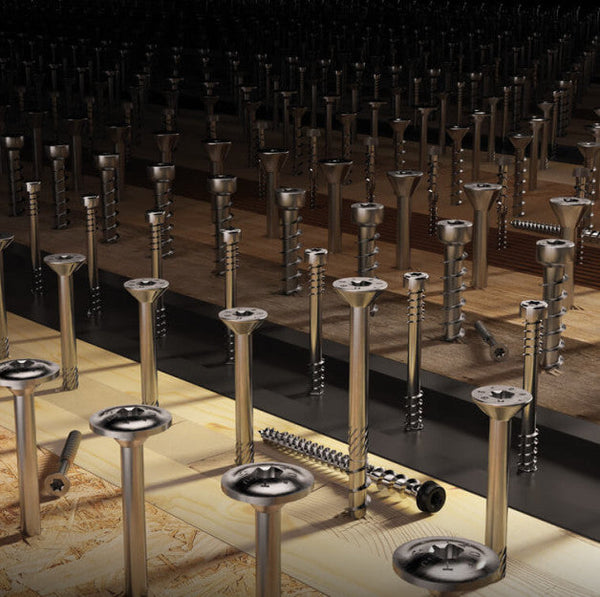
To choose the right screw, work in this order: what you are fixing into, where it will be, what the screw has to do, then the steel and coating, then the head and thread. Partial thread pulls two timbers tight. Full thread gives the highest pull-out. Stainless A4 or HCR suits coastal and pool areas.
Rothoblaas screws are built for modern building needs, bringing strong hold, precise performance, and a huge choice for timber, metal, and concrete. If you design, build, or maintain structures, the right screw saves time, boosts safety, and helps projects last. This guide explains the main types of Rothoblaas screws, where to use them, and how to choose the best option for your job.
What makes Rothoblaas screws different
- A wide range for many materials: timber, plates, concrete, and metal
- High performance in load, pull-out, and shear
- Options for harsh weather and coastal zones
- Clean design for visible façades and decks
- Global approvals for compliance
The range covers classic countersunk screws, full-thread connectors, coach screws, plate screws, drywall screws, self-drilling metal screws, and anchors for concrete, plus spacers, washers, and specialist items for insulation and façades. You can browse much of it in our screws for timber collection.
Key use cases
- Timber structures: CLT, glulam, LVL, and softwood or hardwood frames
- Metal connections: timber-to-metal and sheet-metal fixings
- Concrete: screw anchors for cracked and non-cracked concrete
- Decks and façades: clean, strong, weather-ready finishes
- Plates and brackets: reliable plate screws for structural hardware
- Insulation: screws and washers for timber and masonry
Which steel or coating do you need?
- Electrogalvanised carbon steel: for dry, indoor use
- Coated carbon steel: for standard outdoor use
- Stainless steel (A2, A4, HCR, AISI 304, AISI 316, AISI 410): for high corrosion resistance, coastal zones, and chemically aggressive sites
Match the steel to service class, atmospheric corrosivity, and wood corrosivity to lengthen the life of your fixings. Related reading: Stainless vs Coated Screws: What's the Difference?
Partial, full or double thread: which do you need?
- Partial thread: pulls two members tight; ideal for timber-to-timber where clamping is needed
- Full thread: higher pull-out and slip resistance; ideal for reinforcement and long embedment
- Double thread: useful for insulation, spacers, or controlled stand-off
Which head type should you use?
- Countersunk: flush finish in timber — see the SNK countersunk timber screw
- Flange Head: higher head bearing for plates, brackets, and softwoods — see the TLL flange-head timber screw
- Cylindrical, pan, or round Head: for plates, visible fixings, and metalwork (e.g. VGZ, HBS Plate, LBS)
- Concealed Head for façades: neat, low-visibility fixings (e.g. KKT, KKT COLOR)
Approvals and compliance
Rothoblaas lists approvals across major markets: CE (European Conformity), UKCA (UK Conformity Assessed), ICC-ES (USA), and Canada and Japan code approvals. European approvals rest on the product's ETA (European Technical Assessment), which provides the characteristic load data used in design. Always check the specific product's technical details for load data, fire notes, and installation guidance.
Engineering note: Pull-out, shear, and spacing values from the ETA feed directly into Eurocode 5 connection design and vary by diameter, length, timber density, and load angle. Confirm the data for the exact product rather than substituting a similar screw.
Timber screws: the backbone of the range
- Countersunk screws: a go-to for timber assemblies and decking — the SNK countersunk timber screw is ideal for visible joinery and flush finishes
- Flange-head structural screws: for load-bearing connections and timber frame — the TLL flange-head timber screw distributes load across a wide bearing surface
- Full-thread screws: maximise pull-out in dense or engineered timber — the HTS-HT full thread screw is the go-to for hardwood joinery and glulam
- Small-head screws (SHS): discreet face fixings where head size matters
- Washers and accessories (HUS, XYLOFON): improve bearing and separate timber layers where needed
For hardwoods, pick the hardwood variant to reduce splitting and improve driving performance. Browse the full timber screw range →
Screws for plates and brackets
- HBS PLATE / LBS series: pan or round heads designed to seat well on steel plates and timber connectors
- EVO variants: updated drive, coating, or geometry for even better performance — including the TLL EVO (C4 NanoCoat) and SNK EVO (C4 coating) for outdoor and exposed applications
- Frame and maxi options (e.g. TBS FRAME, TBS MAX): larger heads and bearing areas for frames and light-gauge steel plates
When fixing plates, follow the connector's layout and edge distances, use the specified diameter and length, and consider flange or round heads for better bearing and reduced plate deformation. See the plates and angle brackets range for the matching hardware.
Self-drilling screws for metal
- Timber-to-metal (SBS, SPP): drill and fasten in one step, reducing labour and bit changes
- Metal-to-metal (SBN, SAR): sheet-to-sheet or sheet-to-structure with hex heads and sealing options
- Sheet metal screws and washers (MTS, MCS, WBAZ): a neat, weather-sealed finish on roofing and cladding
Choose A2 or A4 stainless where corrosion or water exposure is high, and use caps or gasketed washers for weather sealing.
Which screws fix into concrete?
- SKR, SKS, SKP, and EVO variants: screw anchors for concrete applications
- Choose by load class, cracked or non-cracked concrete, edge distances, and embedment depth
- Useful for base plates, angles, and temporary or removable fixings
Always verify the product's ETA or ICC data for concrete condition, spacing, and fire performance. Browse the chemical and metal anchors range for options.
Decks and façades: a finish that lasts
- Façade screws (FAS A4 / AISI 316, KKT / KKT COLOR): attractive heads, colour options, and high corrosion resistance for coastal façades
- Decking and exterior timber: choose stainless or high-grade coated screws — the SNK countersunk timber screw and SNK EVO are designed for exactly these conditions
- Insulation fastening: DGZ (double-thread), THERMOWASHER, ISULFIX for timber or brickwork substrates
In coastal or pool areas, prefer A4/316 stainless or HCR for long-term durability. See the screws and connectors for decks range for exterior options.
Special screws and systems for tricky details
- Spacers (DRS timber-to-timber, DRT wood-to-brickwork): create reliable standoffs without compression creep
- Insulation and stand-off (DGZ, THERMOWASHER, ISULFIX): fix insulation layers cleanly
- Reinforcement systems (RTR): strengthen timber elements against splitting or uplift
- Washers (VGU 45° washer for VGS): angle-specific bearing for inclined screws
- Drywall (DWS): purpose-built for plasterboard to timber or metal studs
How do you choose the right screw?
- Define the substrate: timber (softwood, hardwood, engineered), metal (thickness/gauge), concrete (cracked/non-cracked), or masonry (brick/block)
- Set the environment: indoors (dry), outdoors (rain/splash), or coastal/industrial (high corrosion)
- Select the function: structural connection, plate fixing, deck or façade finish, insulation stand-off, or timber reinforcement
- Pick material and protection: carbon steel (indoor), coated carbon steel (general outdoor), or A2/A4/HCR stainless (high corrosion)
- Choose head and thread: countersunk for flush timber; flange, pan, or round for plates and bearing; small or concealed for visible finishes; partial thread for clamping; full thread for high pull-out and reinforcement
- Confirm standards: check CE/UKCA/ICC and other approvals as needed, and review technical sheets for spacing, edge distances, and torque
Installation tips for best results
- Pre-drill in dense hardwoods to avoid splitting and reduce driving torque
- Use the correct bit and drive, and keep bits in good condition
- Respect the edge distances and spacing in the technical data
- Keep drive speed steady and controlled to protect the coating and avoid over-torque
- For inclined screws, use guides or the specified washer for the correct angle
- Seal exterior fixings with proper gaskets or washers where weather exposure is high
Frequently asked questions
What is the difference between partial and full thread screws?
A partial thread pulls two members tight, which suits timber-to-timber joints that need clamping. A full thread gives higher pull-out and slip resistance, which suits reinforcement and long embedment.
Which screws should I use on the coast or near a pool?
A4 or 316 stainless, or HCR, for long-term durability.
Should I pre-drill hardwood?
Yes, in dense hardwoods. It stops splitting and reduces driving torque.
Final thoughts
Rothoblaas screws offer a deep, well-tested range for timber, metal, and concrete, with clear options in head, thread, steel grade, and approvals, so it is easy to match the screw to the job. Start by defining your substrate, environment, and function, then narrow down the material, head, and thread. As an authorised Rothoblaas UK distributor, TimbA Systems can help you specify and supply the right fastener; share your project details and we will recommend the correct screw with the load data to back it up.
Related reading: Torx timber screws: the simple buying guide for UK carpenters | TLL vs SNK vs HTS-HT: Which Timber Screw for Which Job? | Structural timber screws: how to choose the right fastener in the UK