Two ways to fix a deck
When it comes to fixing deck boards down, you have two routes: drive screws through the face of the board, or use a concealed system that hides the fixings entirely. Both are perfectly good, but they give very different looks and suit different projects. This guide compares the two so you can choose with confidence rather than discovering halfway through that you wanted the other one.
Visible fixings: screws through the face
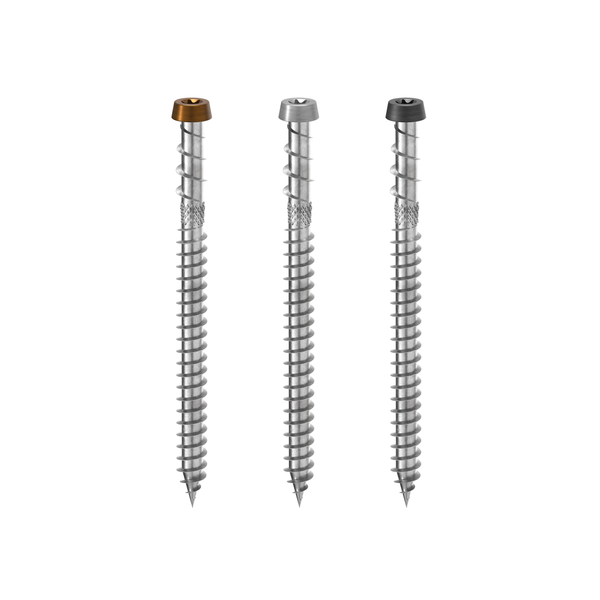
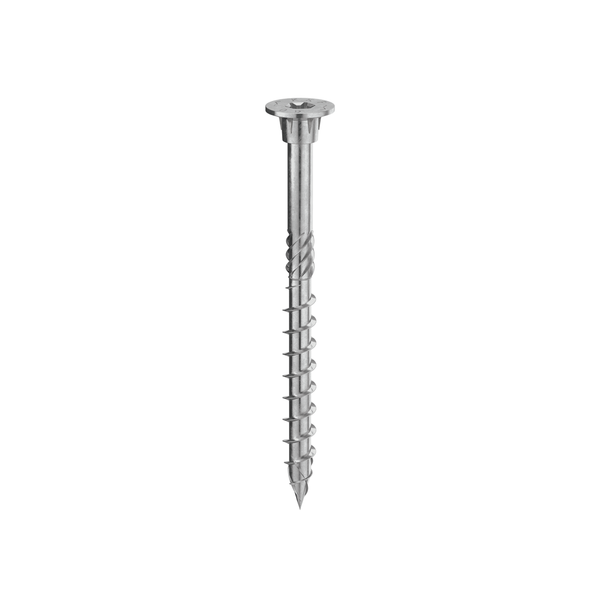
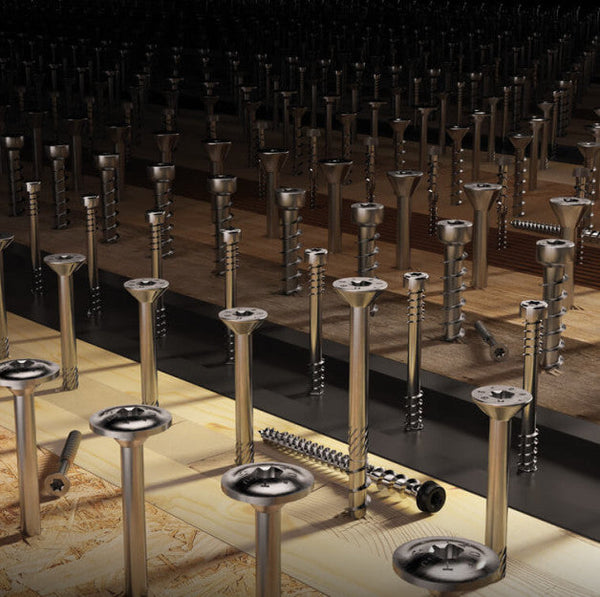
This is the traditional, tried-and-tested method: a decking screw driven straight through the board into the joist, two per joist crossing. It is quick, strong, inexpensive, and easy to repair, since you can simply unscrew a damaged board and replace it. The only downside is appearance: you see two neat rows of screw heads along every board. With a quality countersunk screw they look tidy, and many people like the honest, practical look. For most softwood decks, face-fixing is the sensible default.
Hidden fixings: concealed connectors
Concealed systems fix the boards from the side or underneath, so the finished deck has a clean, unbroken surface with no screw heads in sight. They work with grooved boards, clipping into the groove and securing to the joist below. The result is a premium finish that suits hardwood and composite decks especially well. Concealed connectors also set a consistent gap between boards automatically, which helps with drainage and airflow. If you have decided to go concealed, our companion guide on hidden decking fasteners walks through the specific systems and how to install them.
In short: face-fixing is faster, cheaper, and easier to repair. Concealed fixing looks premium and keeps the surface clean, but costs more and takes longer to install.
What about cost and time?
Visible screws are the budget-friendly, faster option, which is why they remain the most common choice. Concealed systems cost more per square metre, both in materials and in labour, because each board takes longer to secure. If your deck is a showpiece using beautiful hardwood, the extra spend is usually worth it. If it is a practical garden deck, face-fixing gives you the same strength for less.
Which lasts longer?
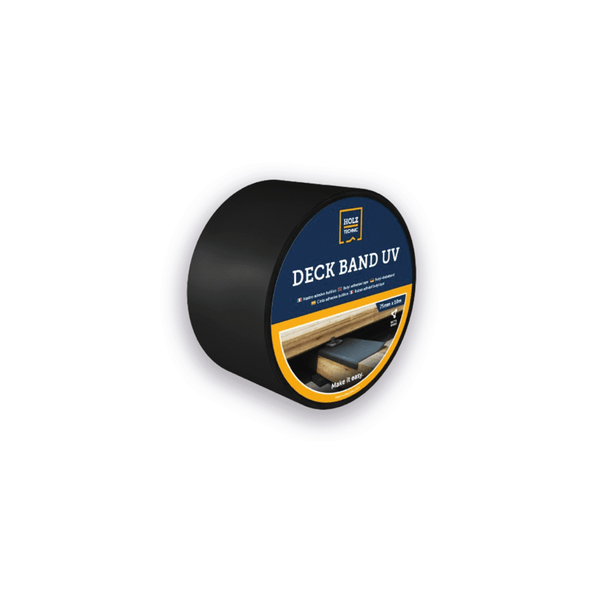
The fixing method matters less for longevity than what sits underneath. Both face-fixed and concealed decks fail from the frame up if the joists are left unprotected, because water pools on the joist tops and soaks in around every fixing. Whichever method you choose, protecting the joists with a butyl tape over their top edge does more for the life of the deck than the choice of fixing itself.
Can you mix the two?
Yes. A common approach is to use concealed fixings across the main field of the deck for a clean look, and face-fix the perimeter and any boards near obstacles where a concealed clip will not reach. Done neatly, the few visible screws around the edge are barely noticeable.
Choosing what's right for your deck
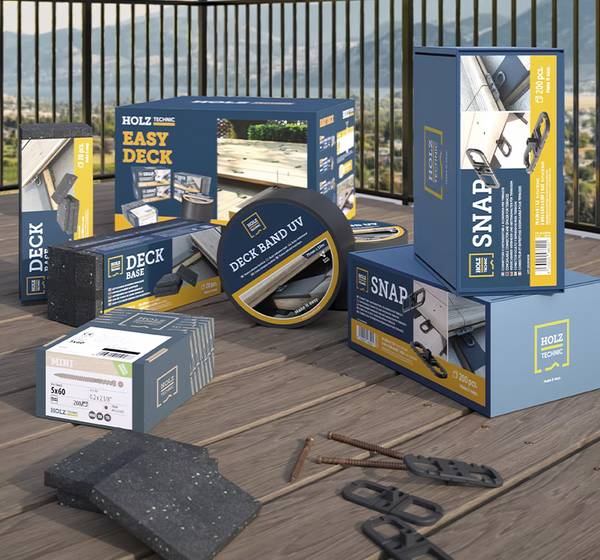
The right choice comes down to your timber, your budget, and how much the finish matters to you. We stock both face-fixing screws and concealed connector systems in our decking range, with butyl joist tape to protect the frame underneath whichever you pick. We are happy to talk through which suits your boards before you commit, since getting the fixing method right at the planning stage saves time and money once you start building.