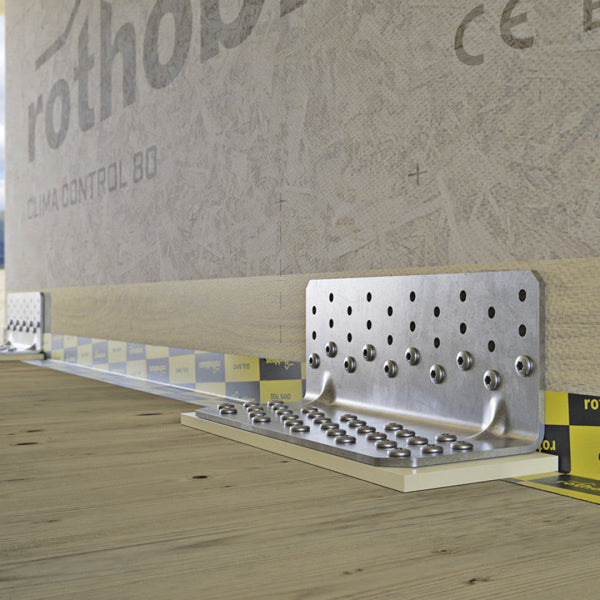
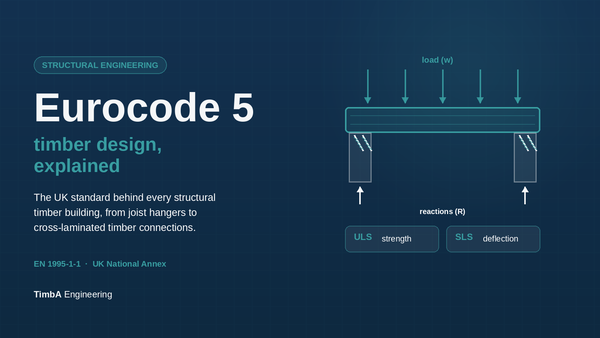
A joist hanger is a small piece of metal carrying a large responsibility. It holds floor and roof joists in place, transfers their load into the supporting beam or wall, and does it invisibly once the floor is down. Choose the wrong hanger, or fix it badly, and the consequences show up as bounce, cracking, or in the worst case a failed connection. This guide covers how to pick the right timber joist hanger and install it so it performs the way the design intends.
What a joist hanger actually does
A joist hanger supports the end of a joist where it meets a beam, wall plate, or another joist, carrying the vertical load through the hanger and into the supporting member. It replaces older methods such as building joists into masonry pockets, and it gives a predictable, tested load path that an engineer can rely on. The hanger takes shear, the fixings hold it to both members, and the detail keeps the joist top flush so the floor sits level.
The main types, and when to use each
Hangers vary by how they attach and where the supporting connection sits. The two distinctions that matter most are face-fixed versus top-flange, and external versus concealed wings.
| Type | How it fixes | Best for |
|---|---|---|
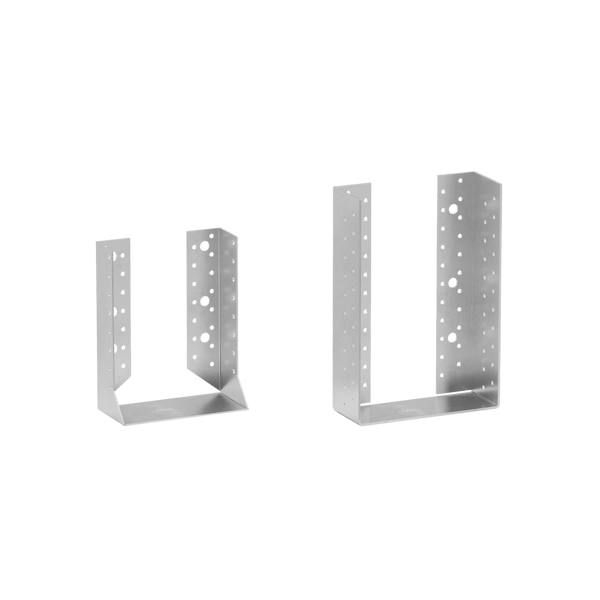
| Face-fixed, external wings | Wings sit on the face of the supporting member, fixed with screws or nails | Joist-to-beam and joist-to-joist where the face is accessible and load is high |
| Concealed wings | Wings tuck inside the connection, hidden once installed | Exposed timber and finished soffits where appearance matters |
| Top-flange | Flange hooks over the top of the supporting beam | Fast installation where the beam top is clear before the joist goes in |
For engineered work, external-wing hangers such as the BSA family give high, well-documented capacities, while internal-wing hangers like the BSI range keep the connection hidden for visible timber. The right choice balances the load, the look, and how the connection will be accessed during the build.
Sizing a hanger correctly
Two dimensions have to match before capacity even matters: the hanger width must suit the joist width, and the hanger depth should support a sensible proportion of the joist depth so the load is carried properly rather than concentrated at the bottom. Then comes the load check. The hanger's rated capacity has to exceed the reaction at that joist end, with the fixings specified to suit, because a hanger is only as strong as the screws or nails holding it.
Common mistake: filling only some of the fixing holes. Tested capacities assume every specified hole is filled with the correct fastener. A half-fixed hanger is not a slightly weaker hanger, it is an unknown one.
Installing for full capacity
- Fill every fixing hole the manufacturer specifies, using the stated screw or nail type and length. The rated load depends on it.
- Seat the joist fully into the hanger so it bears at the base, not perched part-way down.
- Fix into sound timber and respect edge distances, so the fasteners reach their design values without splitting the wood.
- Use the connector fasteners intended for the hanger, not whatever screw is to hand, since the capacity tables are tied to specific fixings.
Where capacities come from
Reliable joist hangers carry a European Technical Assessment giving their characteristic capacities and the fixings that achieve them. That is what lets an engineer design the connection to Eurocode 5 rather than guessing. When you specify an assessed hanger and install it as the assessment requires, the load path is verified end to end, from the joist into the hanger, through the fixings, and into the supporting member.
Getting it right with TimbA
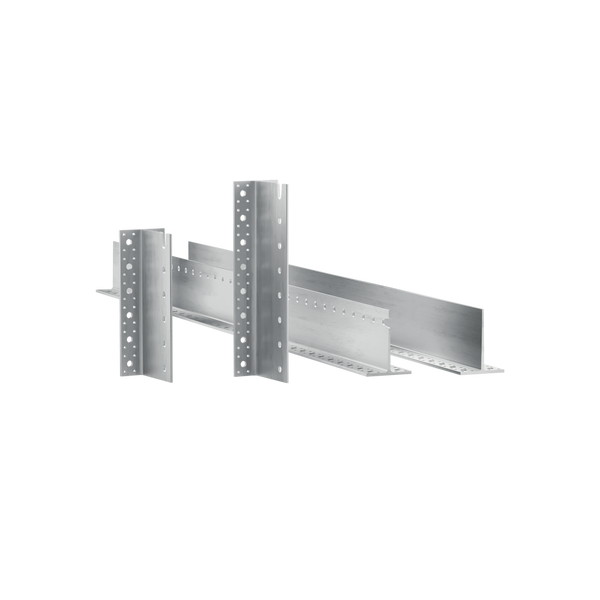
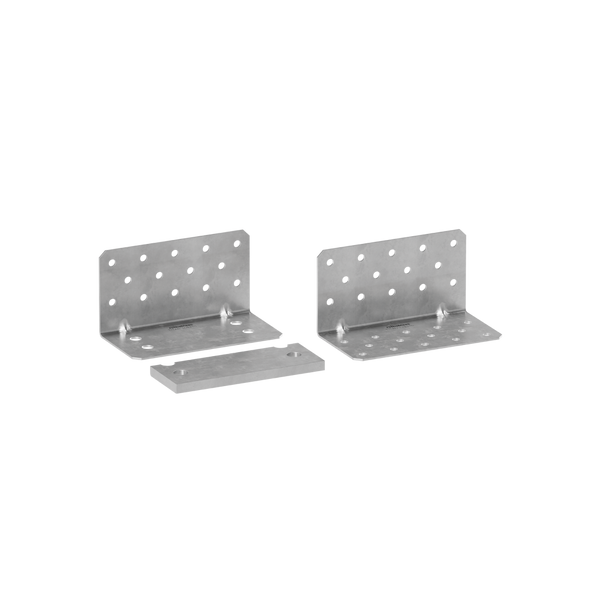
TimbA Systems supplies structural timber connectors from stock and backs them with UK engineering support. Our beam hangers, plates, and angle brackets include external-wing and concealed-wing options for both high-load and exposed connections, fixed with the structural screws their capacities are based on. If you are unsure which hanger suits a connection, our engineering team can size it against the joist reaction and specify the fixings, and the fastener calculator gives the screw quantities for our connectors.
Pick the hanger to match the load and the look, fix it as specified, and the connection will quietly do its job for the life of the floor.