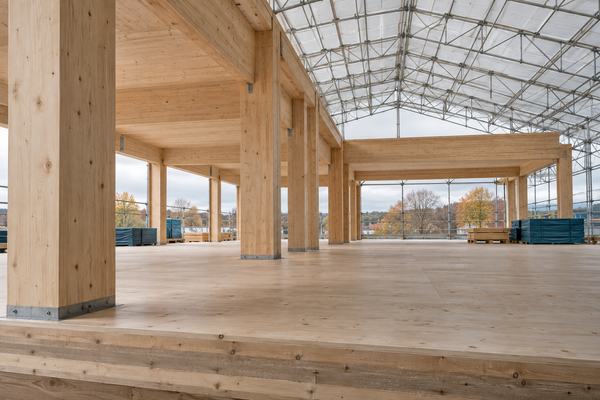
As cities search for lower-carbon building materials, mass timber, meaning engineered wood products like cross-laminated timber (CLT) and glulam, has become one of the most discussed alternatives to steel and concrete. Its warm aesthetic and sustainability story have fuelled rapid adoption. But is mass timber genuinely as climate-friendly as promised? The honest answer is nuanced.
The climate case for mass timber
Recent research points to a real climate benefit when timber is sourced and managed responsibly. A Yale School of the Environment study, published in Nature Communications, modelled three adoption scenarios and found that switching to CLT in 30% to 60% of new urban buildings from 2020 to 2100 could reduce life-cycle greenhouse gas emissions by 25.6 to 39 gigatons of CO₂ equivalent, roughly equal to total annual global energy-related CO₂ emissions, which reached around 37.8 gigatons in 2024. The same study found it could expand productive forestland globally by as much as 36.5 million hectares, an area roughly the size of Germany, by 2100.
The mechanism is counterintuitive but important. As one of the study's authors put it, using CLT instead of steel and cement increases wood demand and encourages the market to protect more forestland and intensify forest management, which ultimately increases forest carbon stock. Mass timber also stores carbon for the life of the building, locking biogenic carbon into the structure rather than releasing it.
The challenge: carbon accounting and forest impacts
Despite the promise, mass timber is not automatically a climate win. Analysis associated with the World Resources Institute warns that many life-cycle assessments underestimate emissions by ignoring the carbon lost during harvesting and processing. During logging, roughly 25% of a tree's biomass is left behind as slash, the twigs, bark, and unusable pieces; sawing logs into planks loses around 45% to chips and shavings; and drying loses a further 15% to shrinkage and trimming. Taking all this into account, only about 35% of what is cut down in the forest reaches the building stage.
The accounting gap: Only 35% of harvested trees make it to the building stage, while the remaining 65% are often unaccounted for in calculations as they release their biogenic carbon back into the atmosphere. Without including these biogenic emissions, a timber building's true footprint is overstated as a benefit.
The wider point is that LCA methods still vary. Independent reviews note inconsistent treatment of biogenic carbon, different system boundaries, and inadequate handling of end-of-life, all of which make headline carbon figures hard to compare. Without stringent forest management and accurate accounting, scaling up timber could drive harvesting that erodes the climate benefit, especially in regions already under land-use pressure.
Beyond carbon: social and ecosystem benefits
A broader view shows mass timber's impacts are not purely about embodied carbon. It brings reduced construction noise, faster project timelines, improved worker safety, and increased rural economic activity. Comparative case studies of responsibly sourced timber buildings against concrete alternatives have shown large embodied-carbon reductions alongside ecosystem-service gains, reinforcing that the material's value extends past the carbon ledger when the supply chain is sound.
So, is it worth it?
Mass timber is worth its environmental impact, but only under the right conditions. When forests are sustainably managed, when slash and milling waste are handled responsibly, and when full biogenic emissions are included in carbon calculations, it can offer meaningful climate advantages. If harvesting expands without oversight, or if carbon accounting stays incomplete, those benefits shrink.
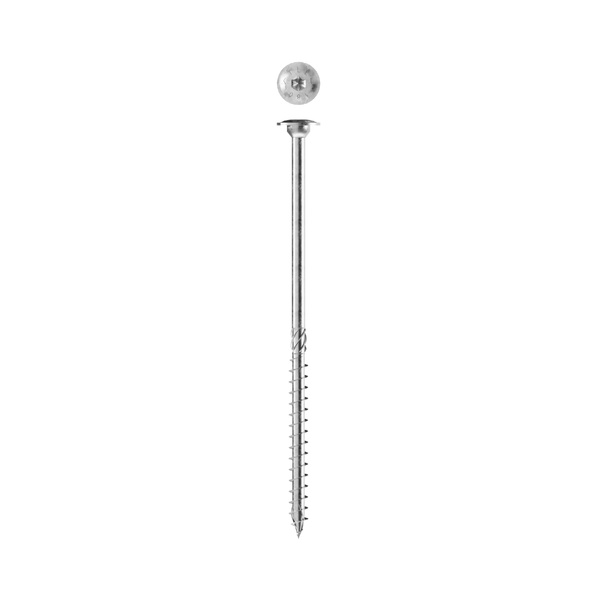
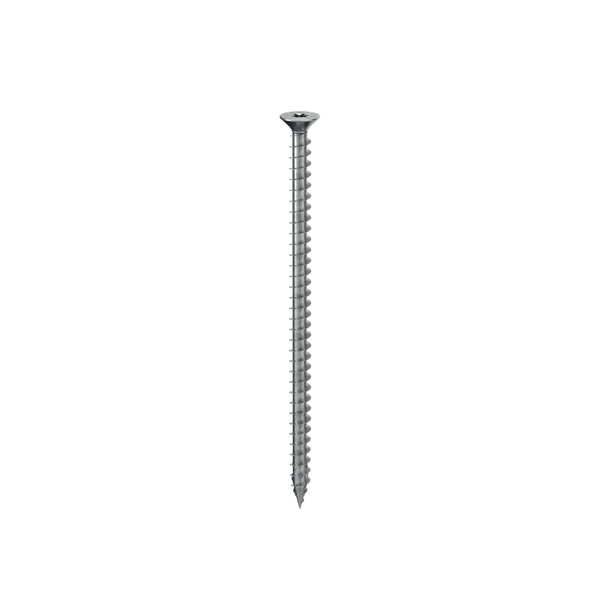
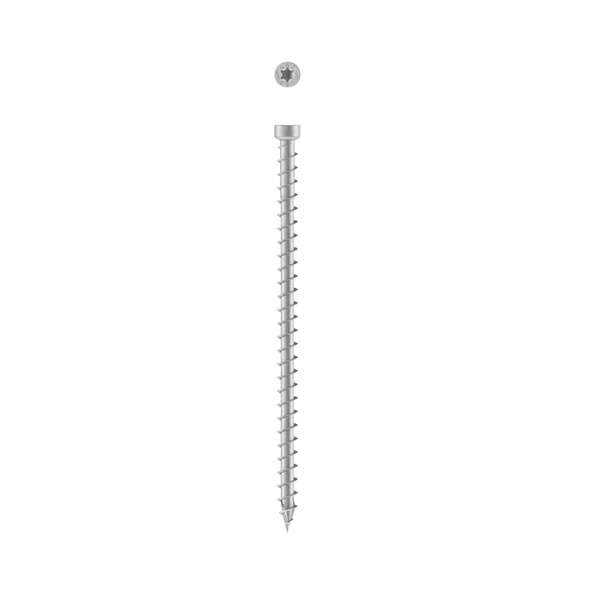
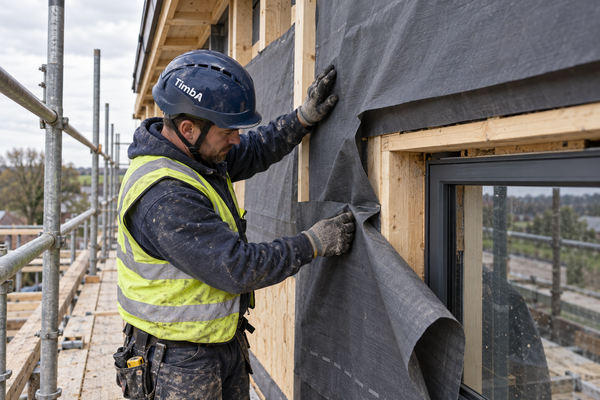
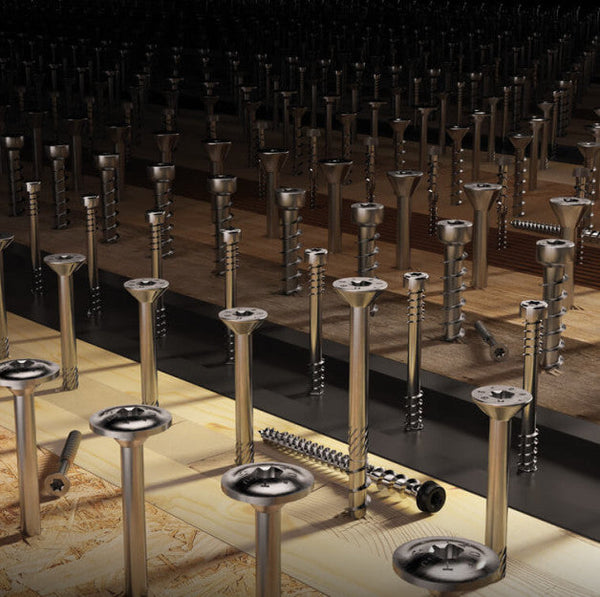
In short, mass timber is not inherently sustainable; sustainability has to be engineered into every step of the supply chain. That is exactly where specification and detailing matter. As an authorised Rothoblaas UK distributor and structural engineering consultancy, TimbA Systems helps teams design responsibly sourced timber projects that perform, with the structural screws, connectors, and membranes that turn a low-carbon intent into a durable building. Share your project and we will help you make it stack up.