Yes, you can fix fence posts without concrete. On a hard surface such as a patio, path or slab, bolt a metal post base to it and fix the post into the base. On soft ground, use an anchor or drive-in base. Either way the post sits clear of the ground, so it stays drier and lasts longer than a post set in concrete.
For generations, setting a fence post meant digging a deep hole, mixing concrete, and waiting for it to cure before you could carry on. It works, but it is heavy, slow, messy, and permanent, and it has one real drawback: concrete holds water against the timber, so posts often rot right at ground level where you cannot see it. For many fences today, you do not need concrete at all. Metal post bases let you fix posts faster, cleaner, and with far less risk of rot.
How do you fix a fence post to a patio or slab?
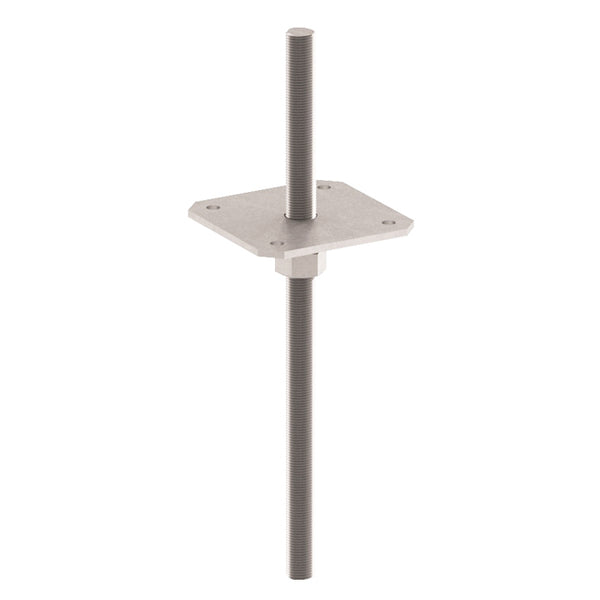
If you already have a solid surface, such as a concrete path, patio, or existing slab, a bolt-down post base is the simplest solution. The base anchors to the surface, and the timber post bolts into the base, sitting clear of the ground. There is no digging, no mixing, and no waiting: you can fix the post and carry straight on. Because the timber never touches wet ground, rot is hugely reduced.
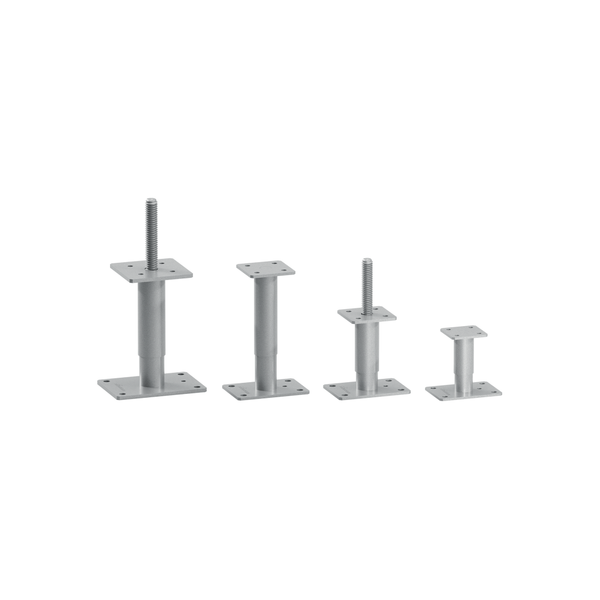
The R70 adjustable post base is a popular choice for bolt-down applications. It adjusts to accommodate minor misalignments and keeps the post fully clear of the surface.
The big advantage: no digging, no mixing, no curing time, and the post stays out of standing water. You can often build the whole fence in a single session.
How do you fix a fence post in soft ground?
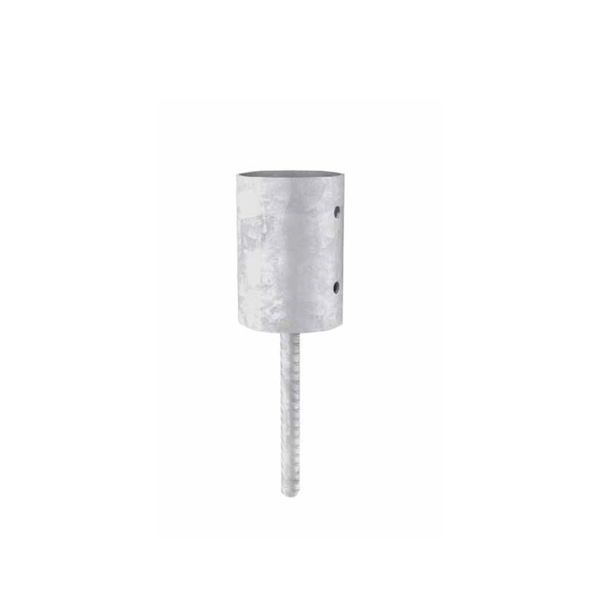
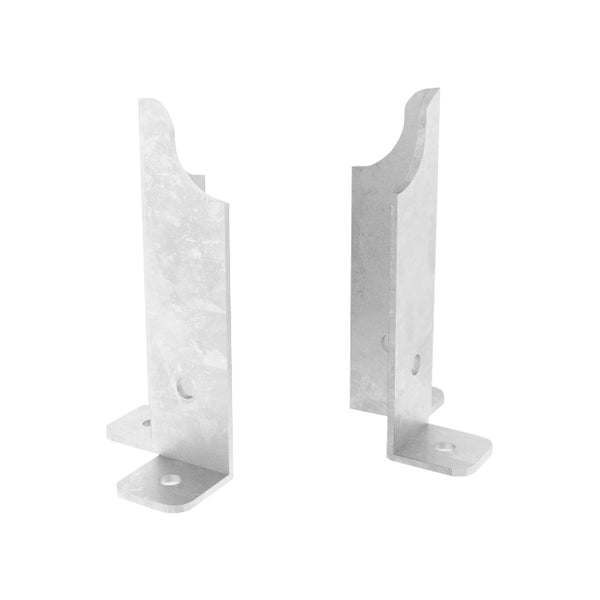
Where you do not have a hard surface, there are bases designed to anchor into the ground without a full concrete pour. These give you a secure, plumb post while still lifting the timber clear of the soil. They are quicker than concreting and make it far easier to get a long fence line straight, because you can adjust as you go rather than committing each post in wet concrete.
Browse our full range of post bases and fence fixings to find the right base for your ground conditions.
When should you still use concrete?
To be fair, concrete still has its place: very tall posts, gates that swing and take constant stress, or exposed sites with high wind load can benefit from the mass a concreted post gives. The honest answer is that for most garden fence panels, a good post base is faster and longer-lasting, while heavy gates and the most exposed posts may still warrant concrete or a heavy-duty anchored base.
Frequently asked questions
Why do fence posts rot in concrete?
Concrete holds water against the timber, so the post often rots at ground level where you cannot see it. A post base keeps the timber clear of the ground.
Can I fix a fence post without digging?
Yes, on an existing slab, path or patio. A bolt-down base fixes to the surface, so there is no digging, mixing or curing.
Is a post base right for a gate?
For most garden fence panels a good post base is faster and lasts longer. Heavy gates, very tall posts and exposed windy sites may still need concrete or a heavy-duty anchored base.
Which post base do you need?
Fixing fence posts without concrete comes down to choosing the correct base for your surface and your fence height. We stock post bases and fence fixings for hard surfaces and soft ground alike, plus the anchors to secure them. Tell us what your ground is like and what you are fencing, and we will help you pick a fixing that goes in quickly and holds for the long term.
Related reading: Which post fixings for a garden fence or pergola?