A well-designed garden room can become one of the most used spaces in your home, whether as a quiet office, a studio, a gym, or somewhere to relax with a view of the garden. Getting it right means planning each step, from permissions and foundations to insulation, services, and finishes. This guide covers what UK homeowners need to know before they build.
Do you need planning permission?
Before you look at designs or book a builder, check the planning rules. In the UK, many garden rooms can be built under permitted development rights, so you do not always need full planning permission. However, there are limits worth checking with your local planning authority:
- Height: most garden rooms must stay under a certain height, often 2.5m at the eaves and 3–4m overall, depending on roof shape and position
- Size: the building usually must not cover more than half of your garden area
- Location: extra rules may apply near a boundary or road, or if your home is listed or in a conservation area
- Use: a hobby space or office is usually fine, but using it as separate living accommodation or for sleeping may need full permission and building regulations approval
Always confirm with your council or the government's planning permission guidance before you start. It can save time, money, and stress later.
Choosing the best spot
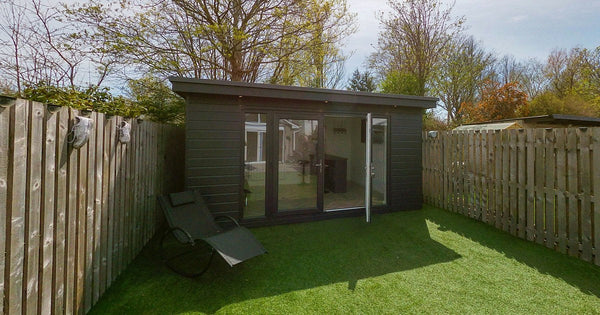
Where you place the room affects how often you use it and how comfortable it feels. Think about sunlight (morning light for a calm office, evening light for a social space), easy access from the house in winter and rain, privacy from neighbours, and the view from your desk or chair. A modern garden room often works well at the end or side of a typical back garden, with large glass doors facing the house and lawn for both privacy and a pleasant outlook.
Getting the foundations right
A garden room needs a solid base for stability, damp protection, and insulation. Common UK options include:
- Concrete slab: a flat, solid base for heavier or larger rooms
- Concrete pads or piers: separate pads under key points of the frame
- Ground screws: steel screws driven into the ground, useful on sloping sites or where you want less digging
The right choice depends on soil, drainage, and the size and weight of the building, so it is worth getting advice from a professional or your supplier.
Materials for a warm, durable room
Most UK garden rooms use a timber frame, which is flexible and quick to build, finished with timber cladding for a natural, warm look or composite cladding for a low-maintenance alternative. To use the room all year, insulate the walls, roof, and floor, and pair this with double or triple-glazed windows and doors to hold heat in winter, stay cooler in summer, and cut noise.
TimbA tip: A timber-frame garden room is only as durable as its weather and airtightness detailing. Quality fixings, breathable membranes, and well-sealed junctions keep the structure dry and warm for the long term.
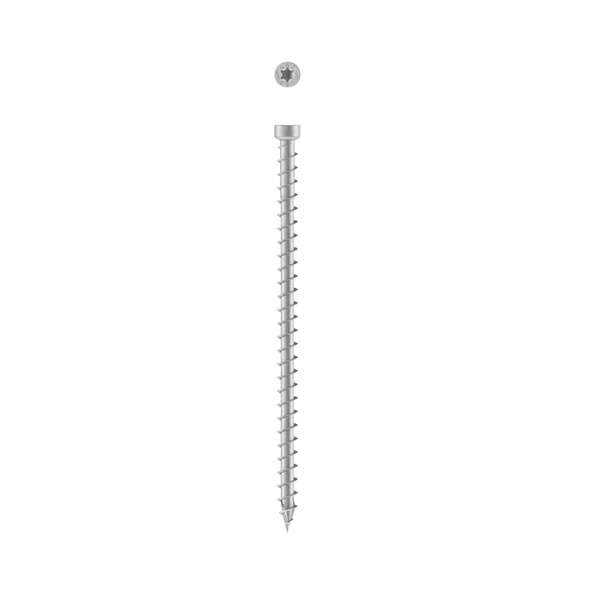
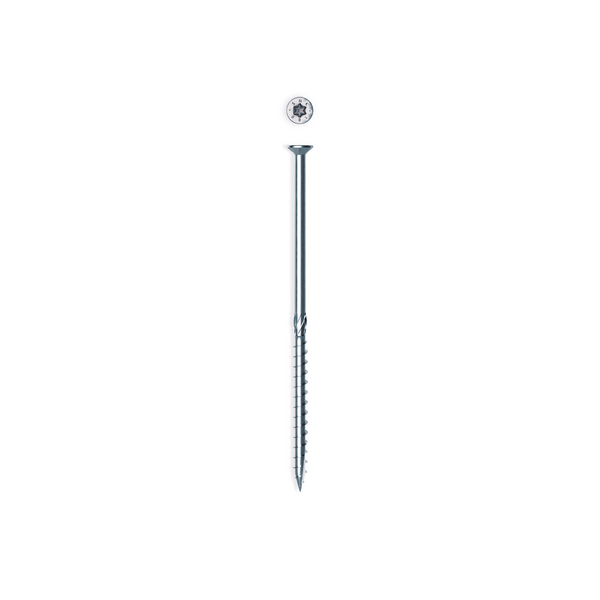
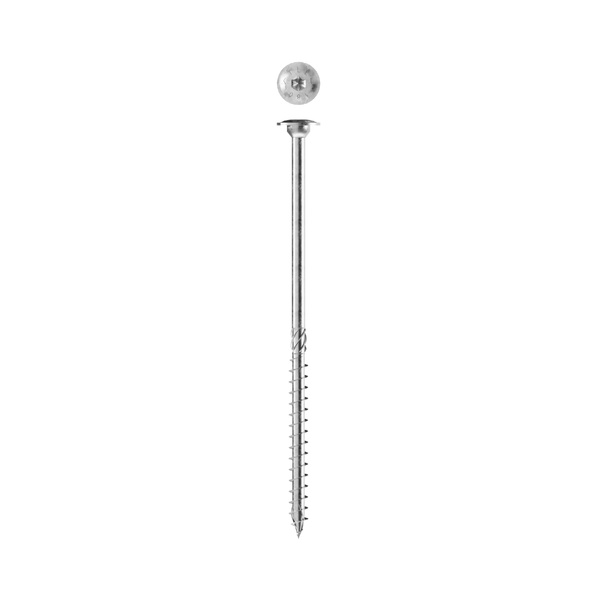
For the structure and envelope, see our timber screws, post bases for ground-screw and pad connections, and membranes with sealants, tapes and profiles for airtightness.
Windows and doors
Large sliding or bi-fold doors bring in light and open the room to the garden. Position windows carefully to reduce glare on screens and improve airflow, and choose good locks and toughened glass for security and peace of mind.
Electrics
Most homeowners want lighting, heating, and sockets for computers, TVs, chargers, and tools. Done safely, this means a dedicated supply from the house run through proper cabling buried at the correct depth, a consumer unit in the garden room if needed, and all work carried out and tested by a qualified electrician to meet UK Part P regulations. Plan the number and position of sockets, lighting points, and any external lights along the path. If you will work from home there, plan good connectivity too, whether a Wi-Fi extender, powerline adaptor, or a dedicated data cable.
Plumbing and water (if needed)
Not every garden room needs plumbing, but it is useful for a small WC, a hand basin, a kitchenette sink, or a shower for a gym space. It involves bringing fresh water in and taking waste away to the main drain or a suitable system, and it must follow building regulations, so use a qualified plumber and check with your local authority if in doubt.
Heating and ventilation
To use the room through colder months, plan heating and airflow. Popular options include electric panel heaters or radiators (simple and easy to control), electric underfloor heating (a neat, comfortable finish), and air conditioning or heat pump units (heating and cooling for year-round use). Ventilation matters too: opening windows, trickle vents, and sometimes a small extractor fan help avoid damp and condensation, especially in a gym or hobby space.
Interior finish
Once the shell is built, make the inside feel like a real room. Consider plaster and paint for a clean, home-like finish or timber panelling for a cabin feel; laminate, engineered wood, vinyl, or carpet flooring to suit the use; a mix of overhead and task lighting for warmth and function; and built-in shelves, cupboards, or a fold-down desk to keep things tidy. Tailor it to purpose, so an office gets a proper desk, ergonomic chair, and cable management, while a relaxation room gets a sofa, soft lighting, and plants.
Budget and choosing a supplier
Costs vary widely, from basic DIY buildings to high-end insulated rooms. When budgeting, include design and planning checks, groundworks and foundations, the structure and materials, doors, windows and insulation, electrics, heating and any plumbing, interior finishes and furniture, and the paths or landscaping around the building. Ask for written quotes, check what is included, look for warranties on materials and structure, and read reviews or view previous projects where you can.
Enjoying your garden room all year
With the right planning, solid foundations, good insulation, and careful material choices, you can create a comfortable, modern space that works in the UK climate and suits your lifestyle. Taking time over each step gives you a garden room you will enjoy for years. As a Rothoblaas UK distributor and engineering consultancy, TimbA Systems can supply the fixings, foundations hardware, and airtightness products that make a timber garden room solid and weatherproof; get in touch for advice on your build.