Getting your posts right from the ground up
The base, post connection and ground fixing all affect how a fence or pergola performs. This guide explains common post-base options and the checks to make before you choose one for your project.
The main types of post fixing
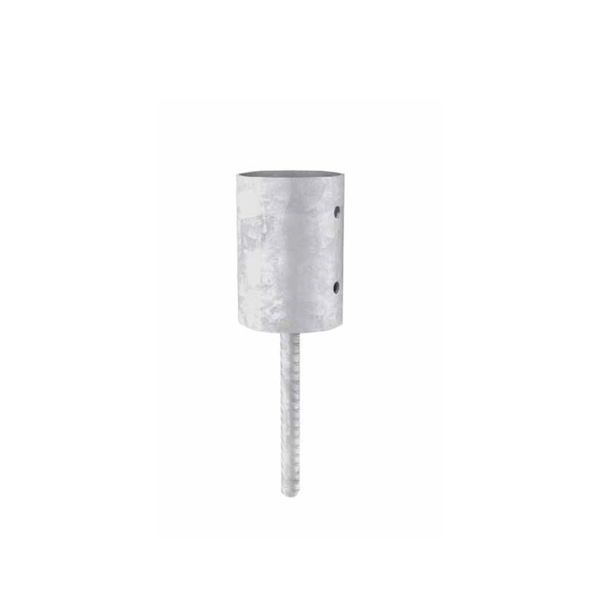
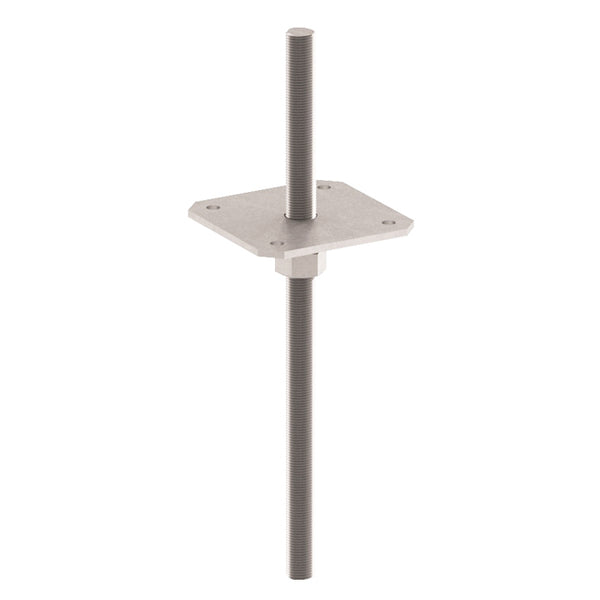
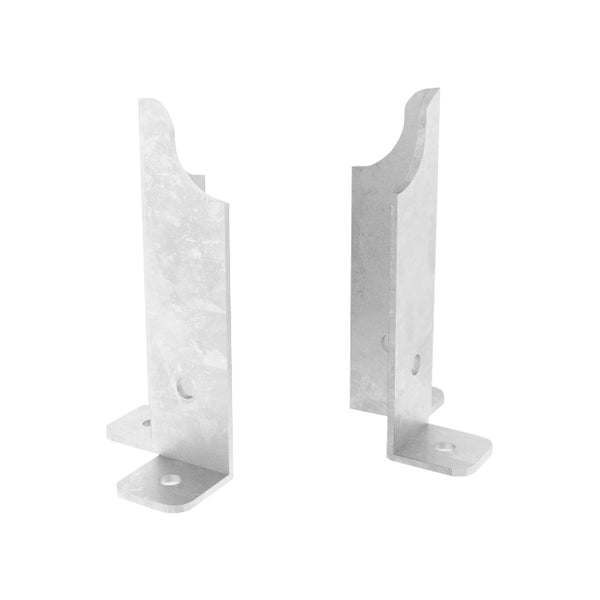
Common options include setting a post in concrete, fixing a post base to a suitable foundation, or using a ground anchor designed for the conditions. Setting timber directly into the ground or concrete can leave its base exposed to moisture if drainage and detailing are poor. A suitable post base can lift timber clear of standing water, but the connection and support must suit the project.
Key point: keeping timber clear of standing water can reduce moisture exposure. Drainage, end-grain protection and installation still matter.
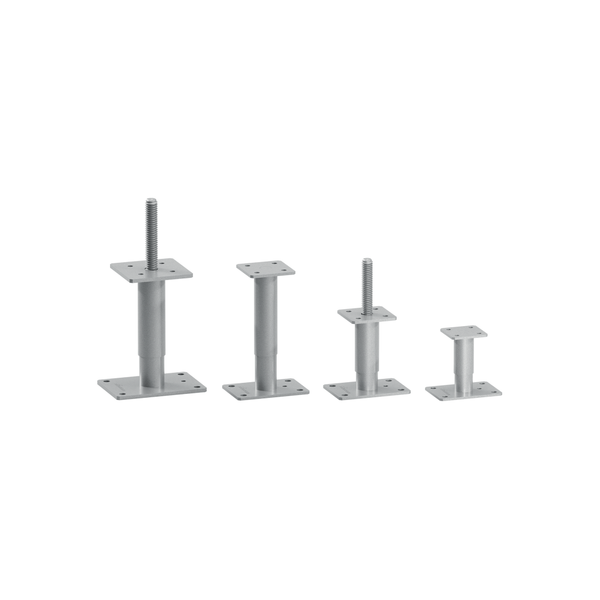
Post bases: the modern favourite
Some metal post bases hold timber above the supporting surface. Some allow adjustment or make later post replacement easier. These features vary by product. For a pergola or carport, check the loads, post-base capacity, anchors and supporting structure before selecting the detail.
Matching the fixing to the job
A fence, pergola and carport can impose different loads on their supports. Choose the base and anchors using the actual structure, substrate and manufacturer data. A paved surface alone does not prove an adequate foundation for a load-bearing connection.
Choosing with confidence
The right post fixing depends on your structure, ground and loads. Browse our post bases and fence fixings and anchors. If you send us your project details, we can help narrow the product options and involve an engineering partner where design checks are needed.
Know your post size? Find a post base for your post size, then check the ground fixing and loads for your project before choosing the final detail.